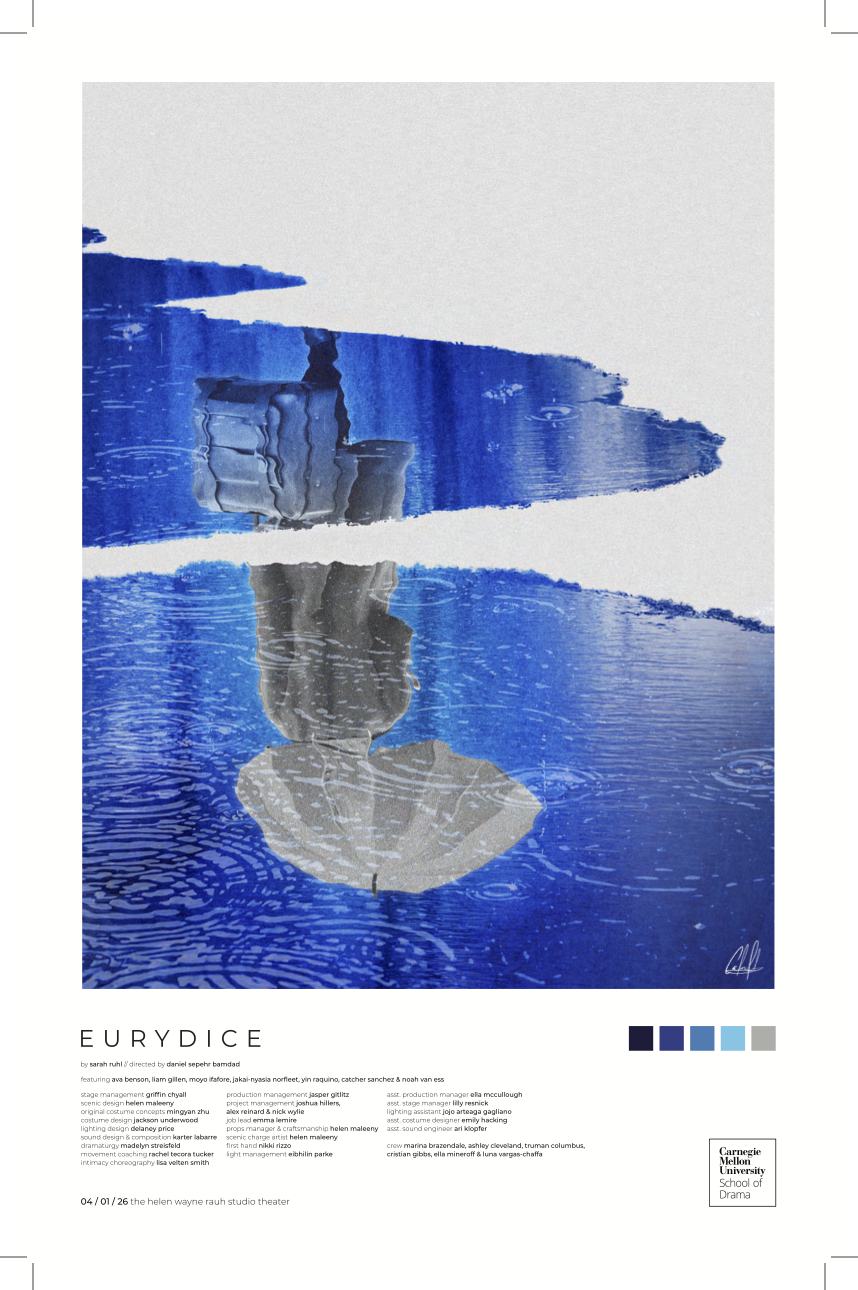
CMU Capstone Project: Eurydice by Sarah Ruhl
Director’s Note: This play explores themes of memory, childhood, death, and love—elements that every audience member can connect to. I want viewers not only to feel a deeper connection to their loved ones and to long for that safe, warm voice they might call after the show, but also to reconnect with themselves and the memories that shape who they are.
Sarah Ruhl says, “I wrote this for my father.” I found that this was my way in. The play is deeply rooted in her personal life, especially her childhood. Not only does she incorporate personal memories, but she also evokes a sense of nostalgia, using time-specific elements that strike a particular chord.
When reflecting on childhood, memory, and nostalgia, I immediately think of my father’s cameras. Many of my childhood memories—even those that have escaped my mind—have been preserved on a vintage camcorder, on tape, or in photographs from a film camera my dad bought in Austria before moving to the States.
As a kid, I felt a connection to photographs. When I reminisce about my childhood, it feels like a photo from an old film camera or a home video; it's warm, grainy, and soft. Both of my parents came from families that valued taking pictures, so our study was filled with photo albums of photographs from their journeys to America and from our childhood. Though I wasn’t present in all of those moments, seeing life through those photos gave me a strong sense of nostalgia, as if I were there with them.
When looking at the world of Eurydice as presented by Sarah Ruhl, I noticed the similarities and the avenues these ideas create.
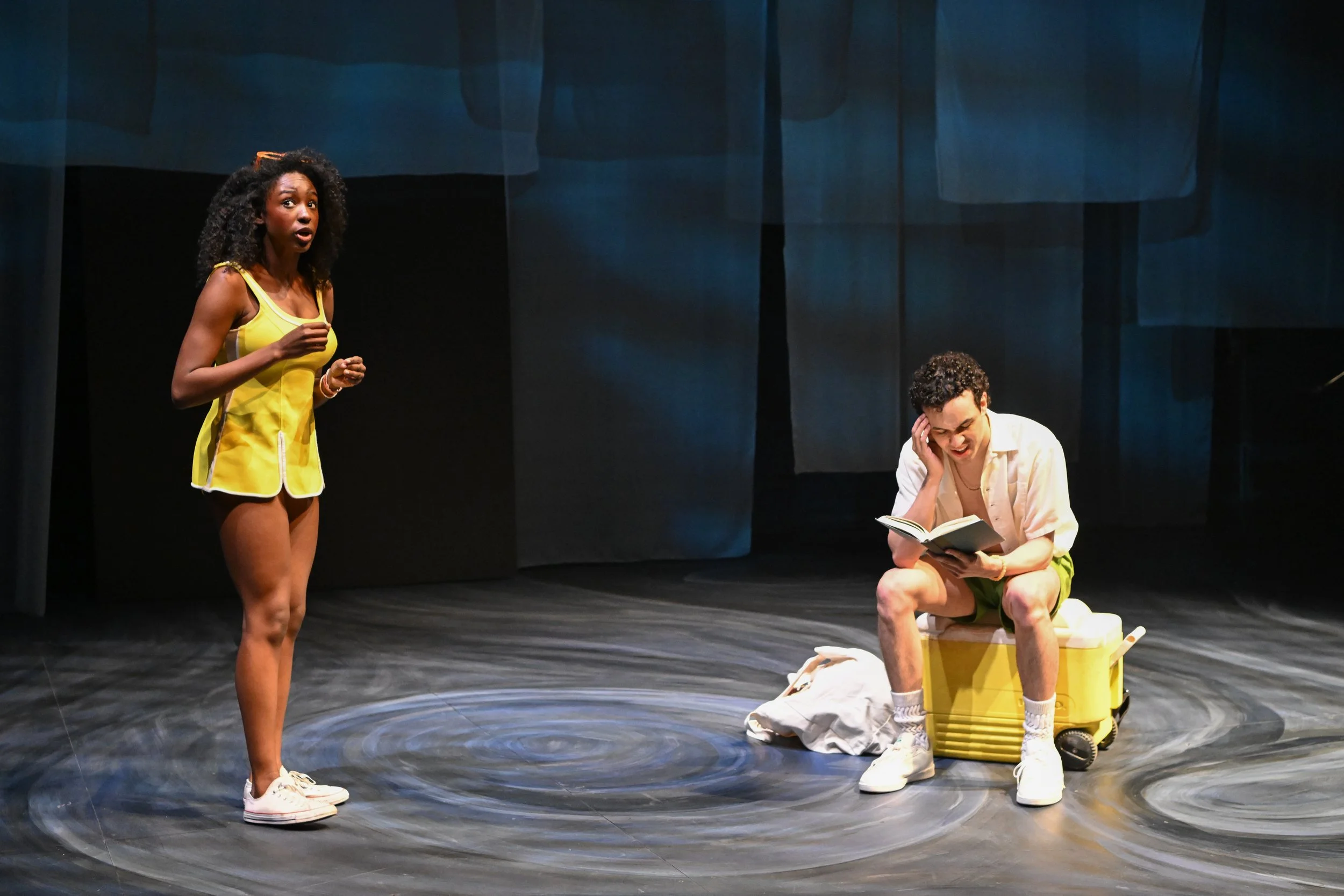
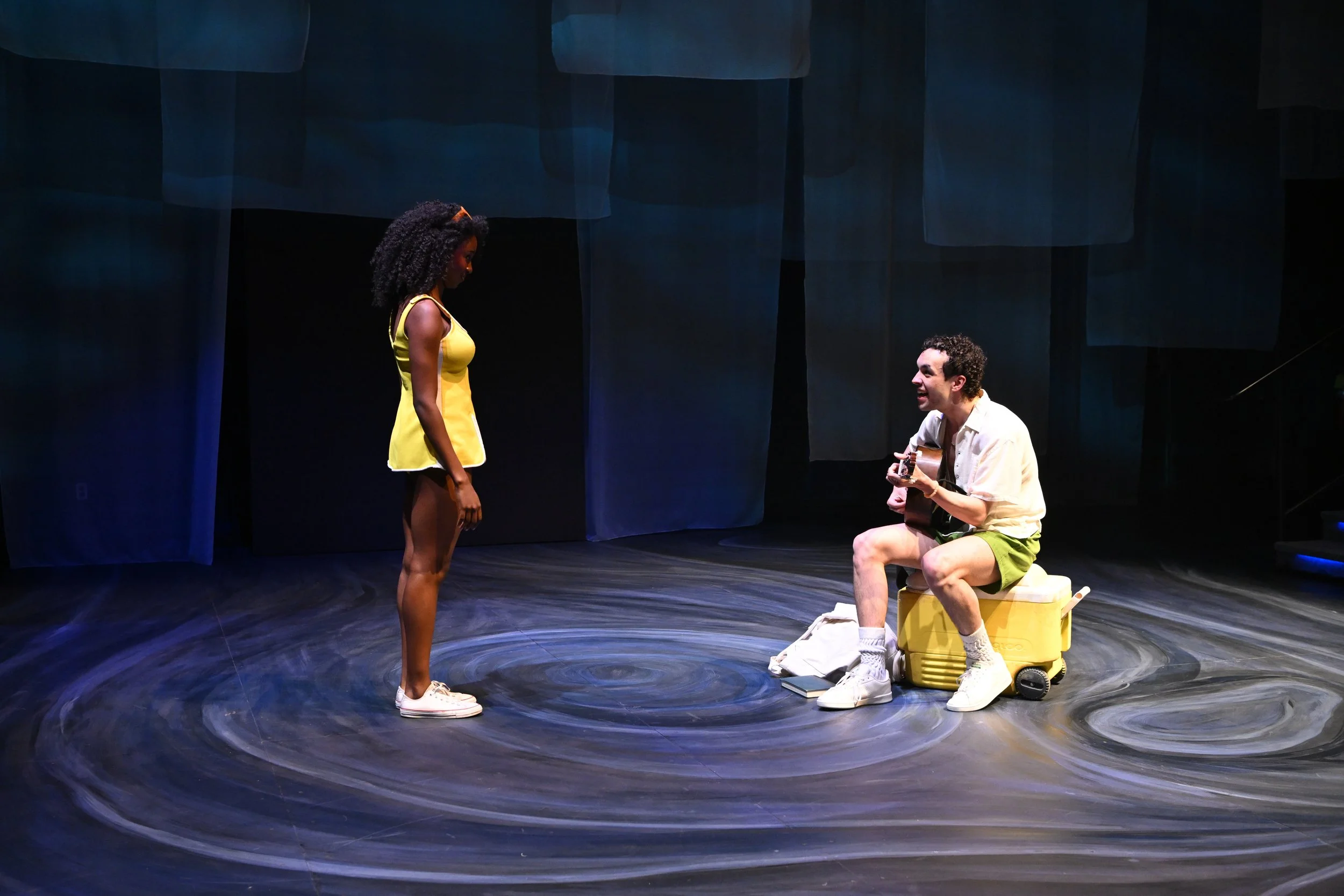
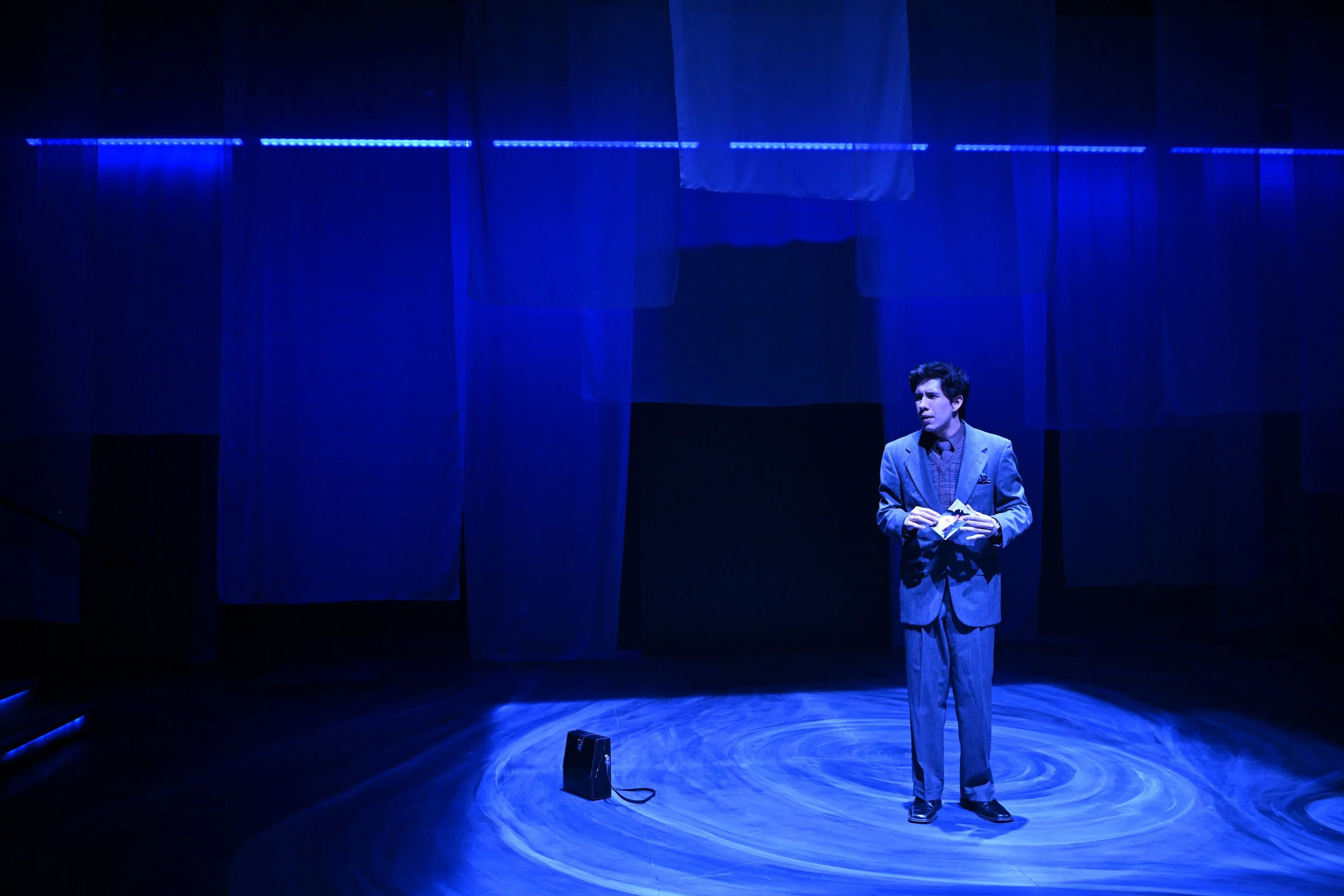
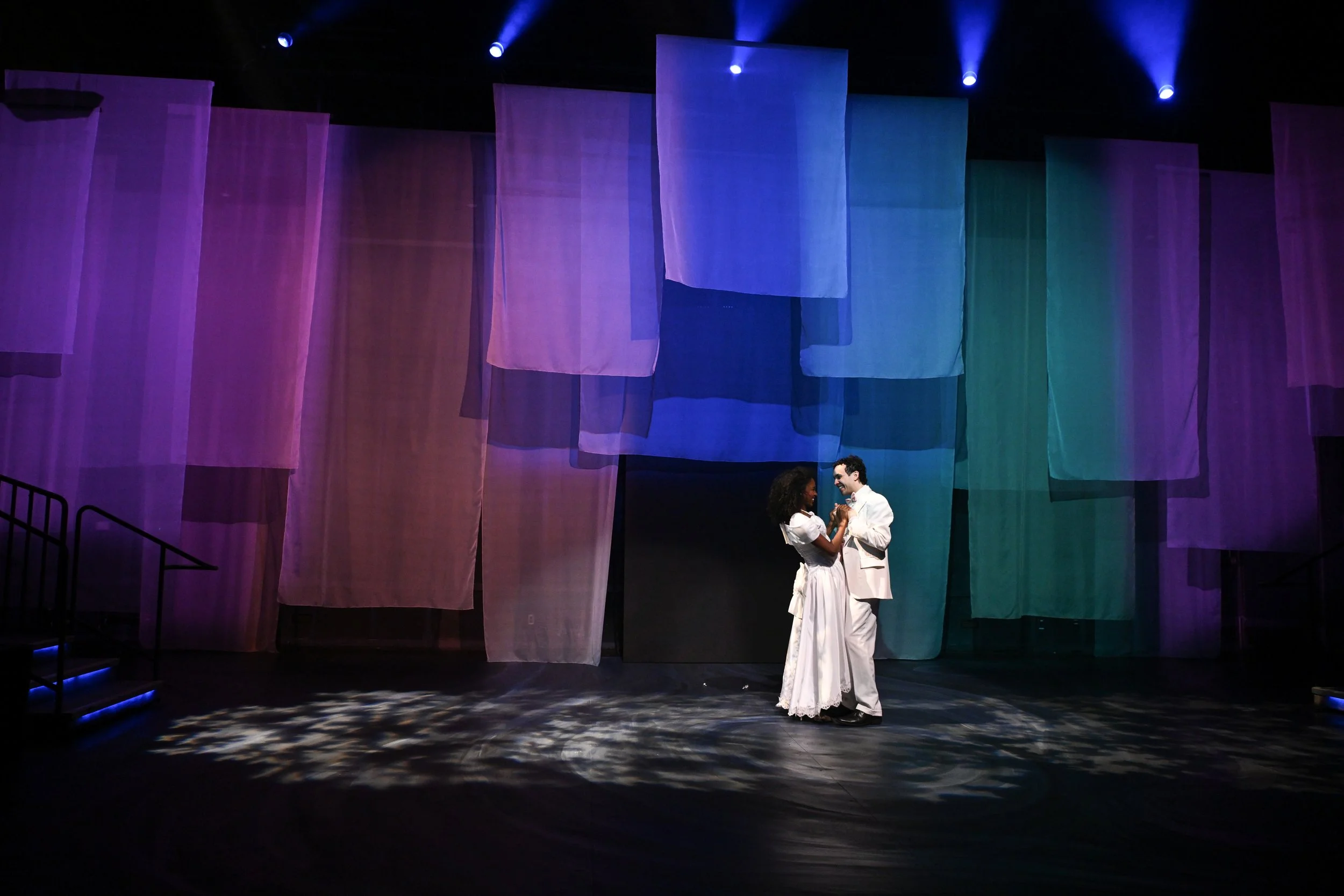
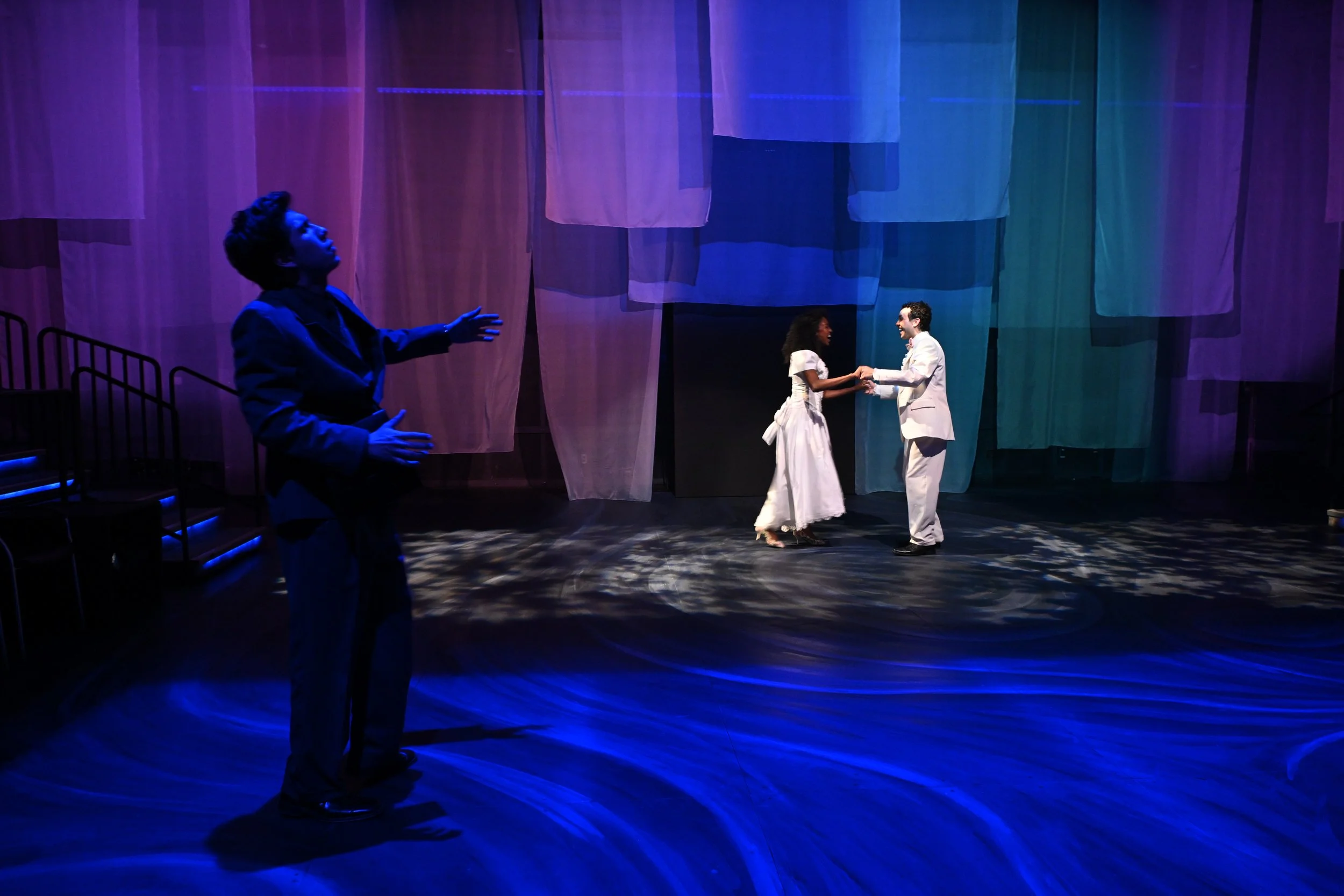
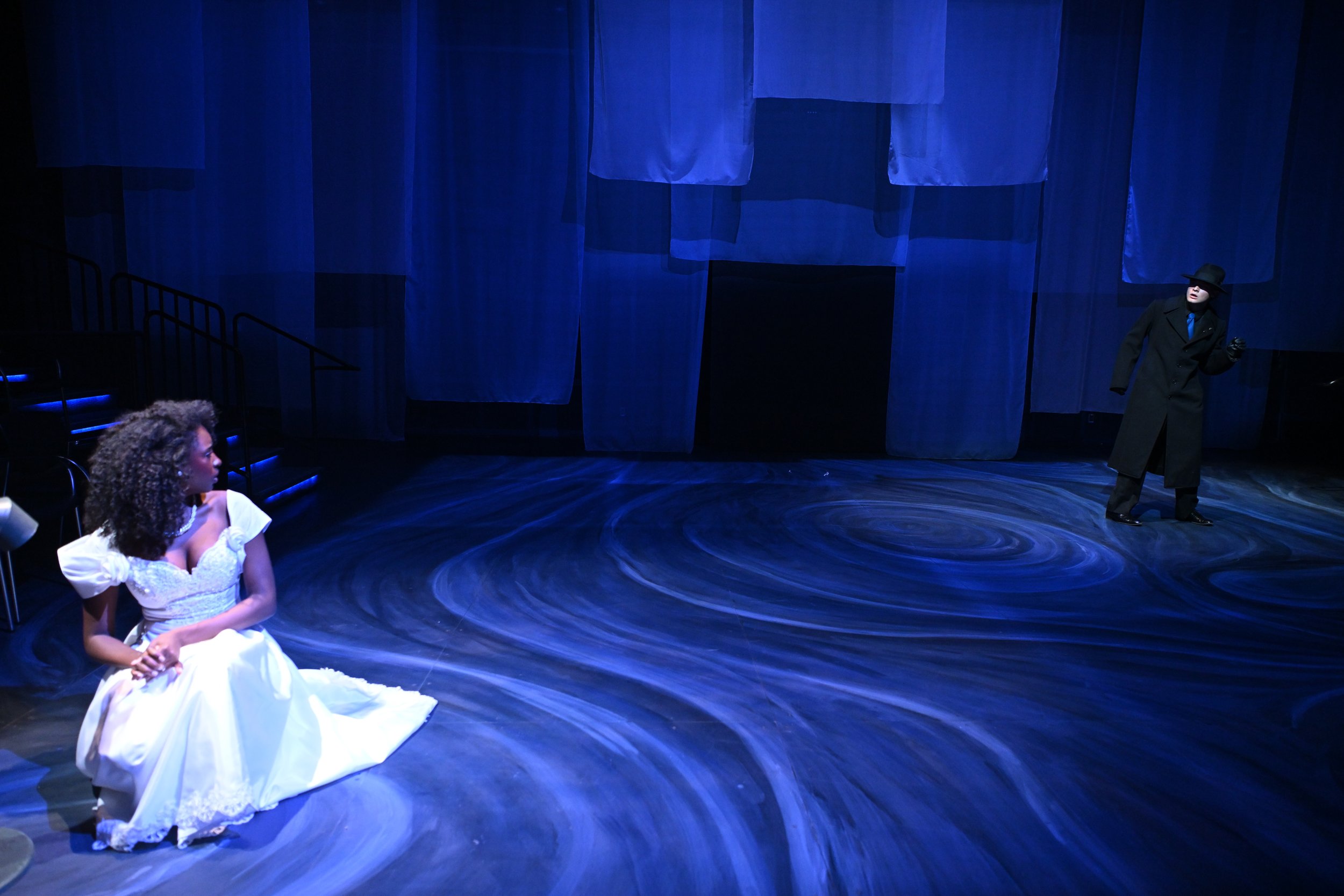
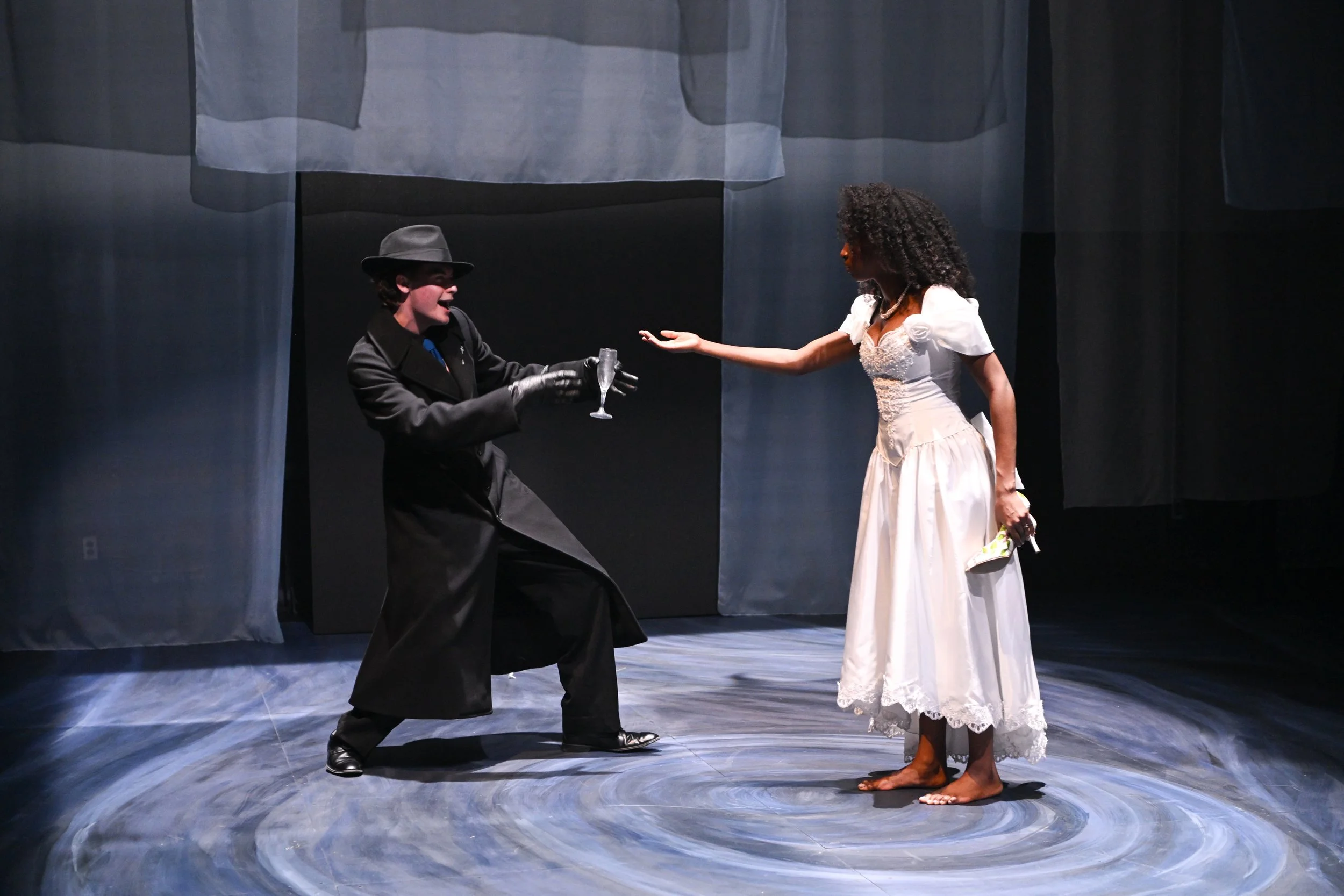
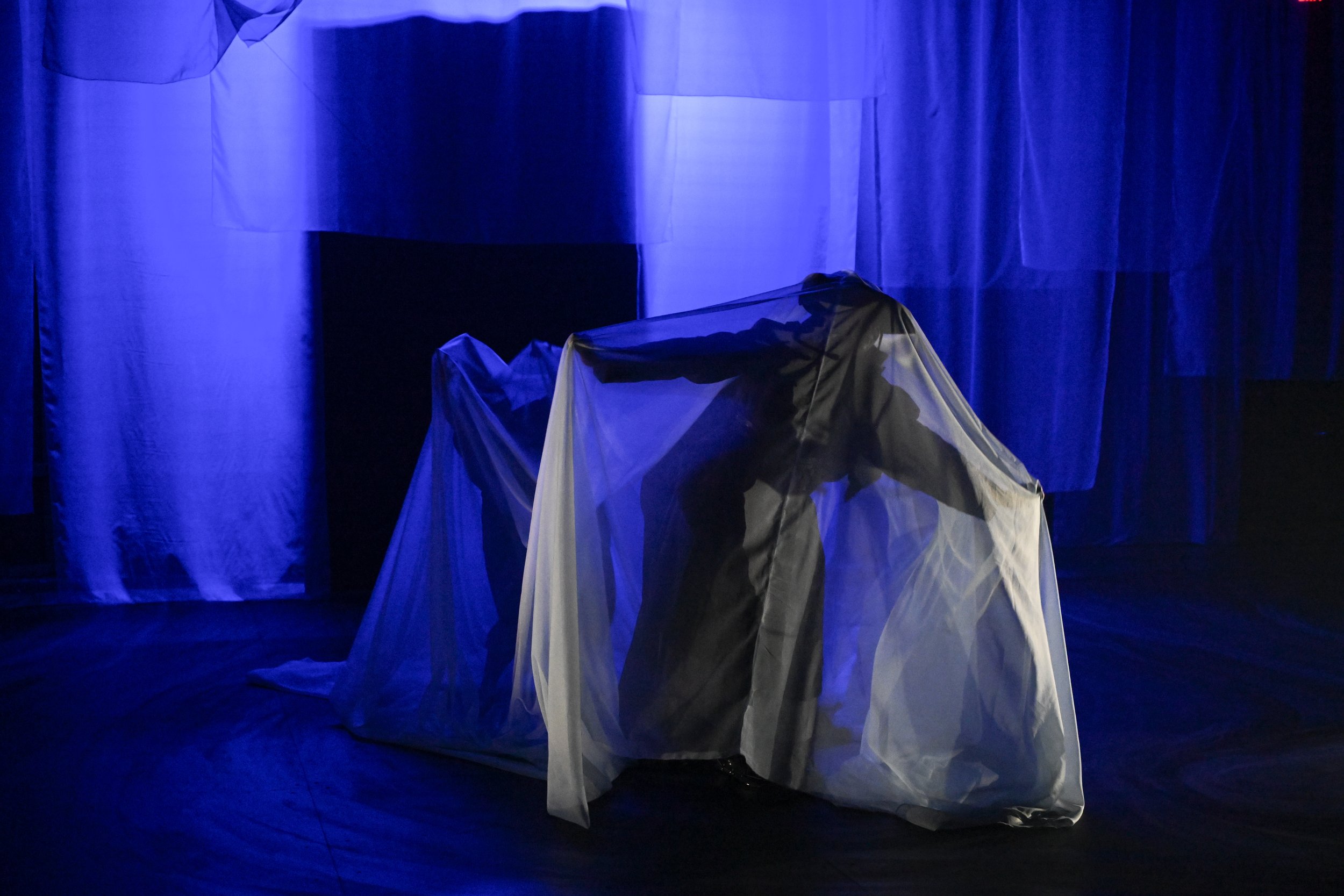
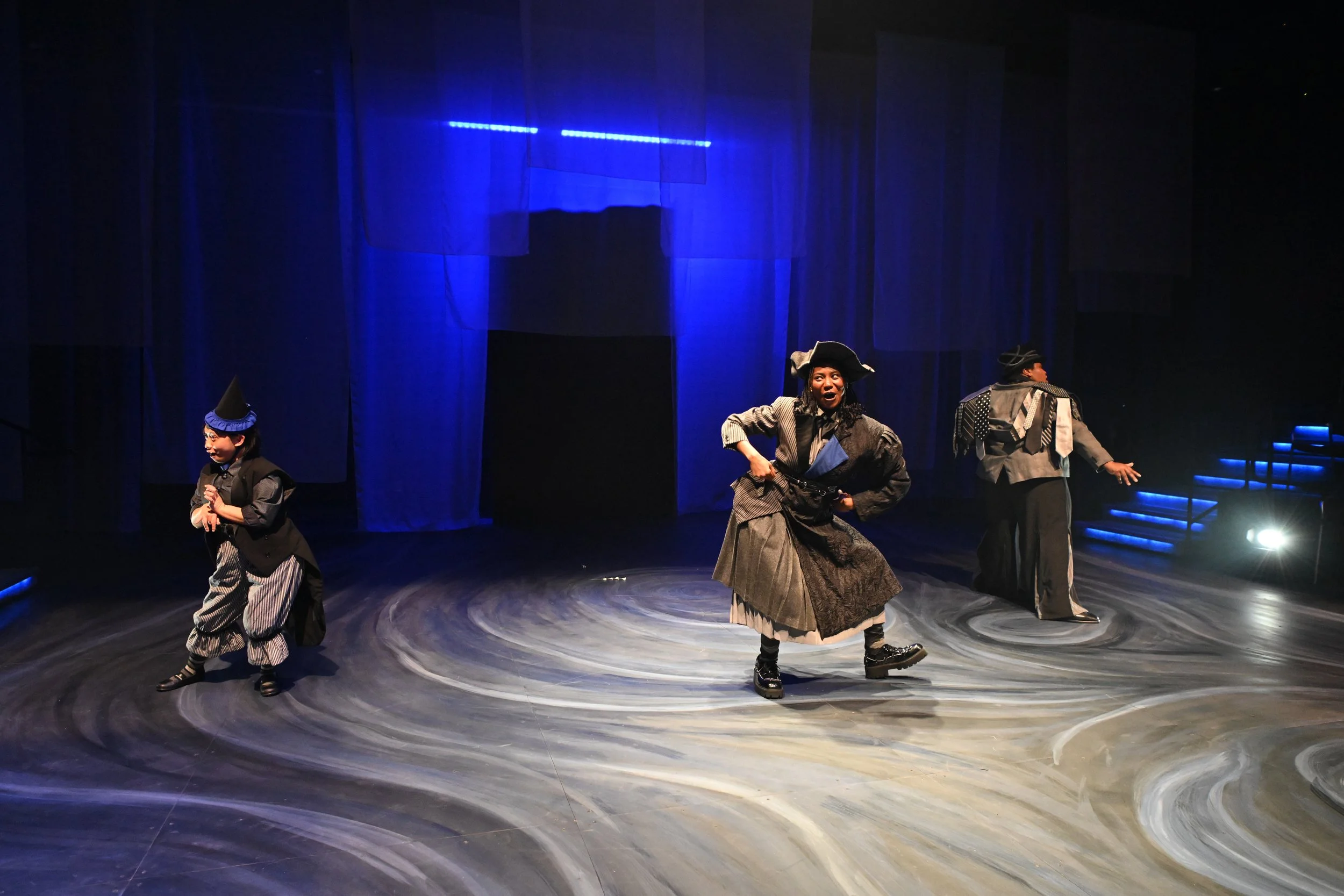
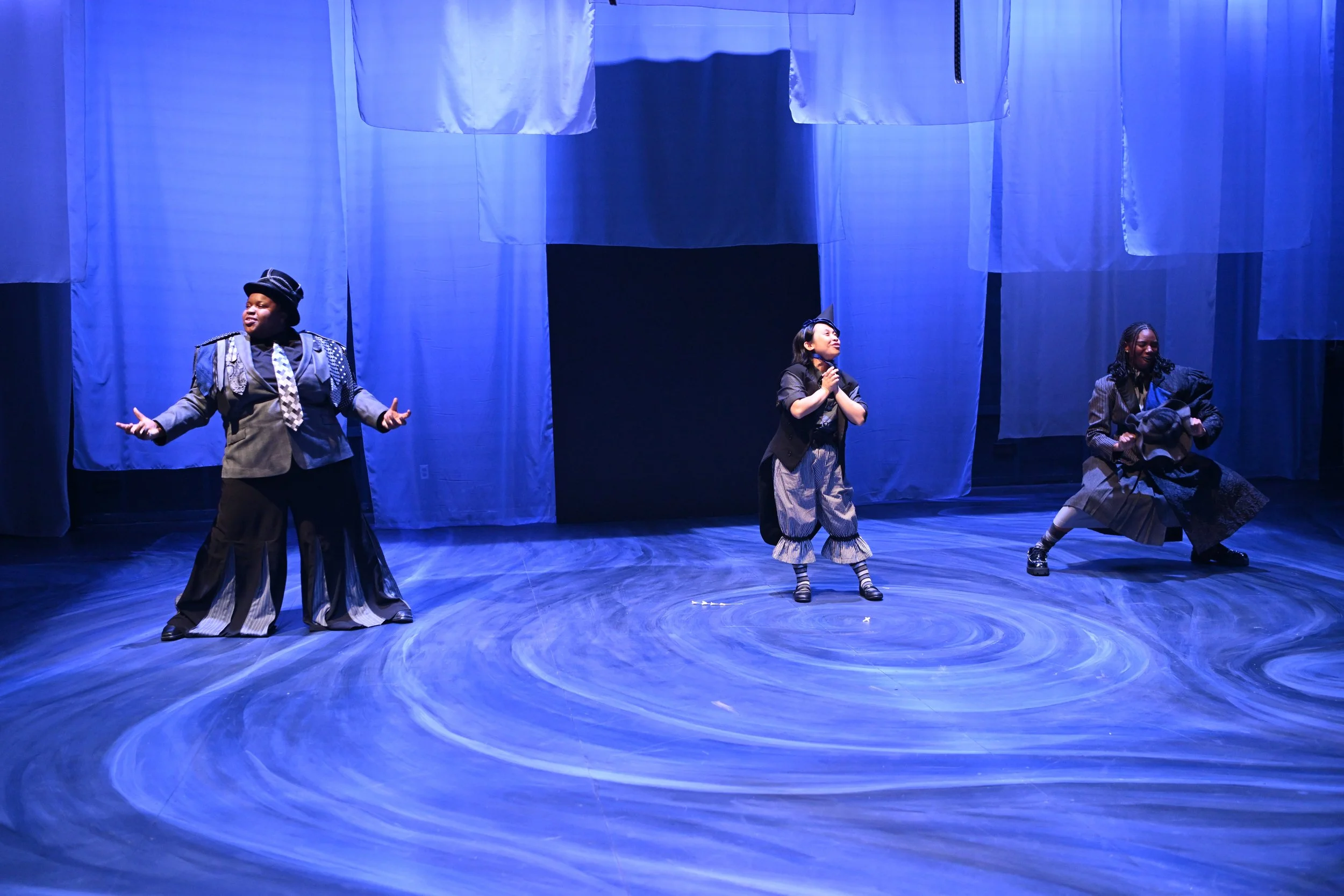
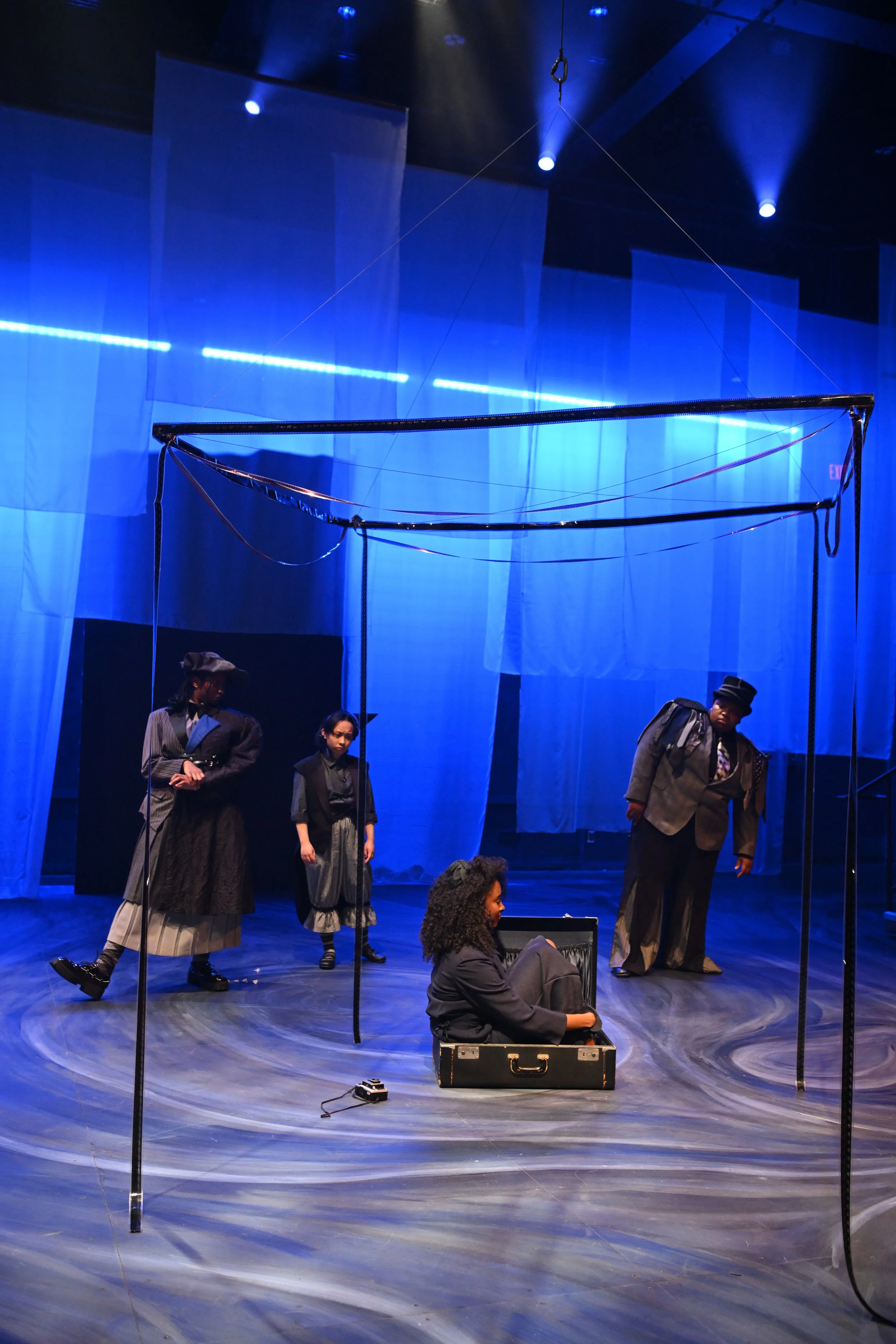
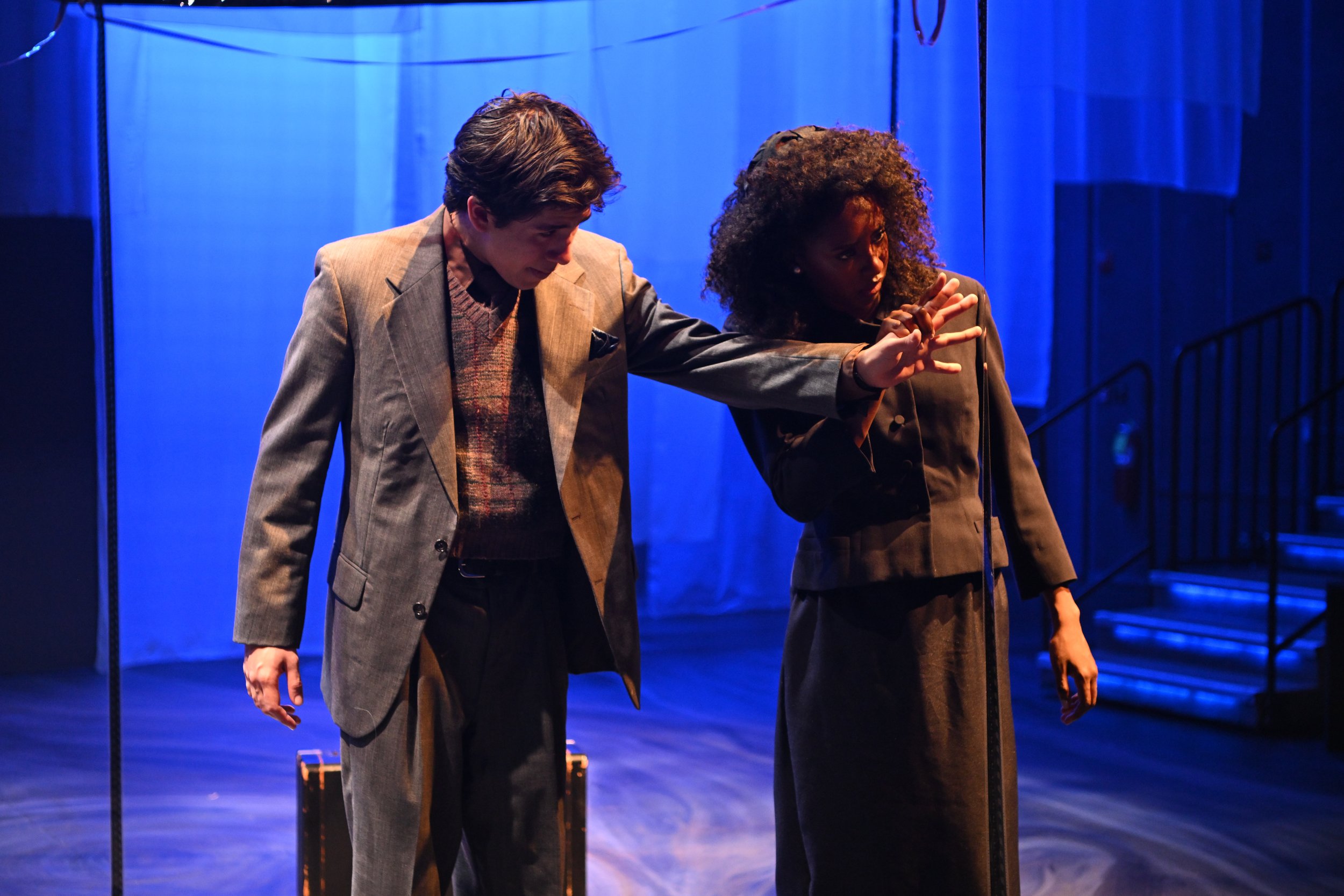
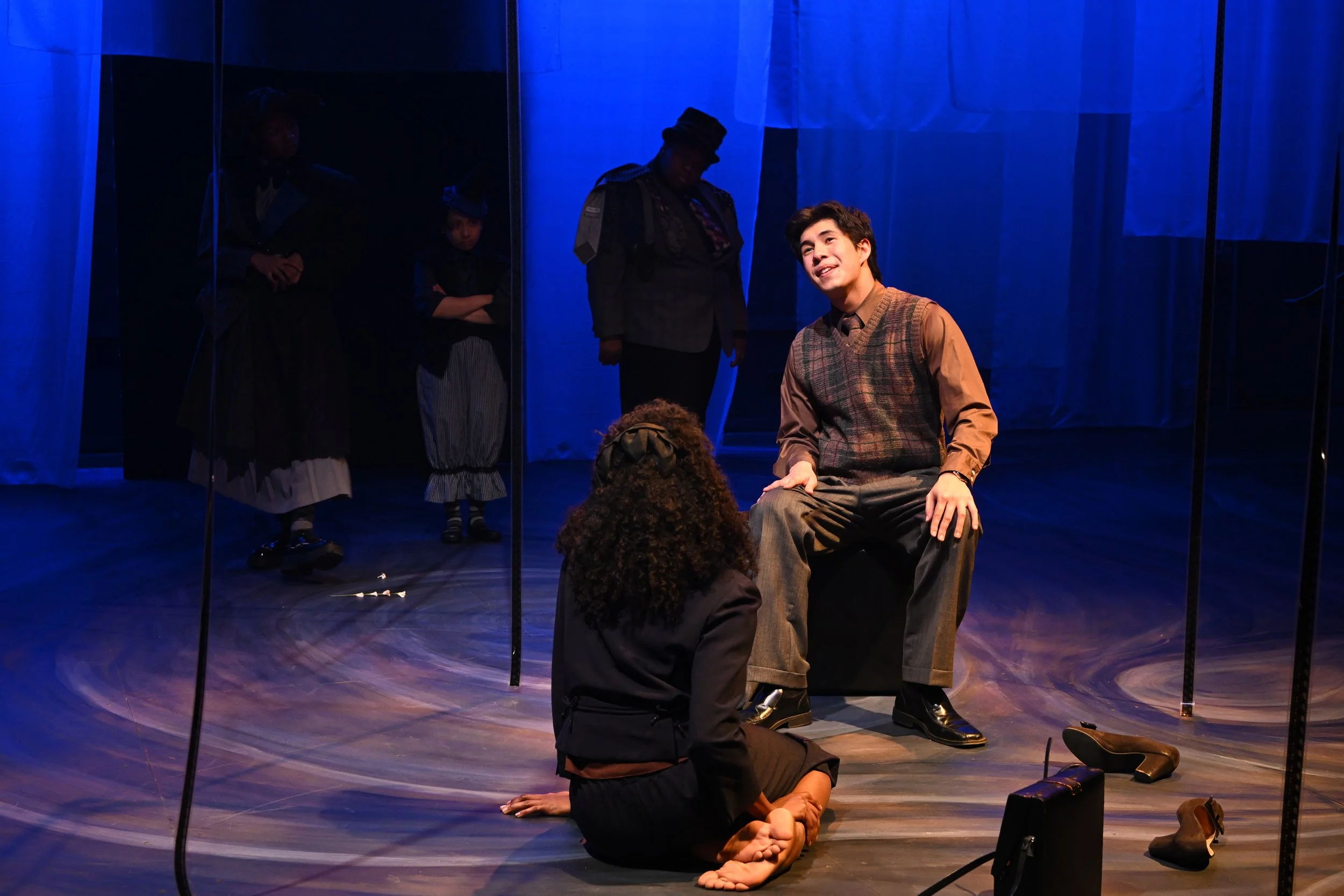
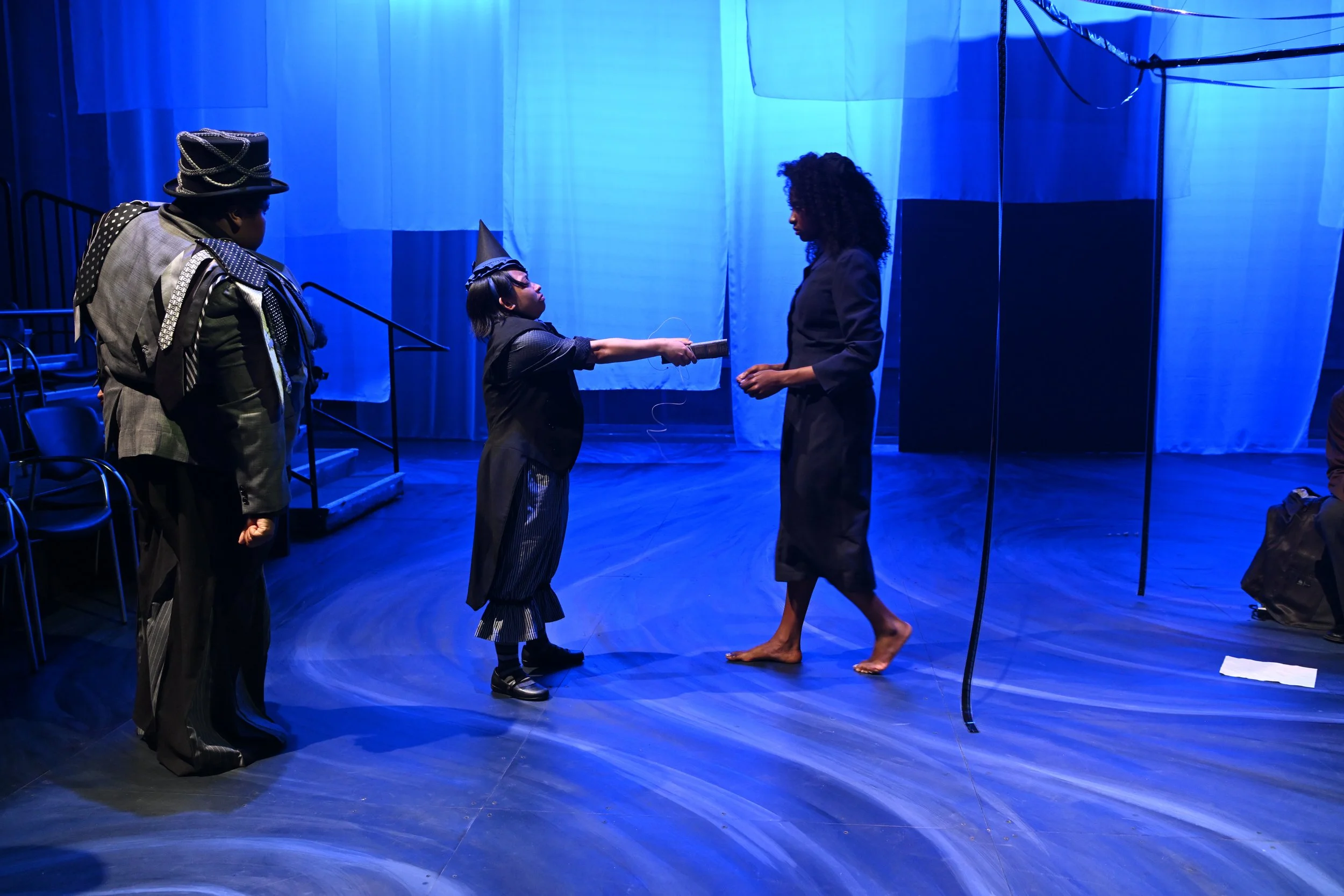
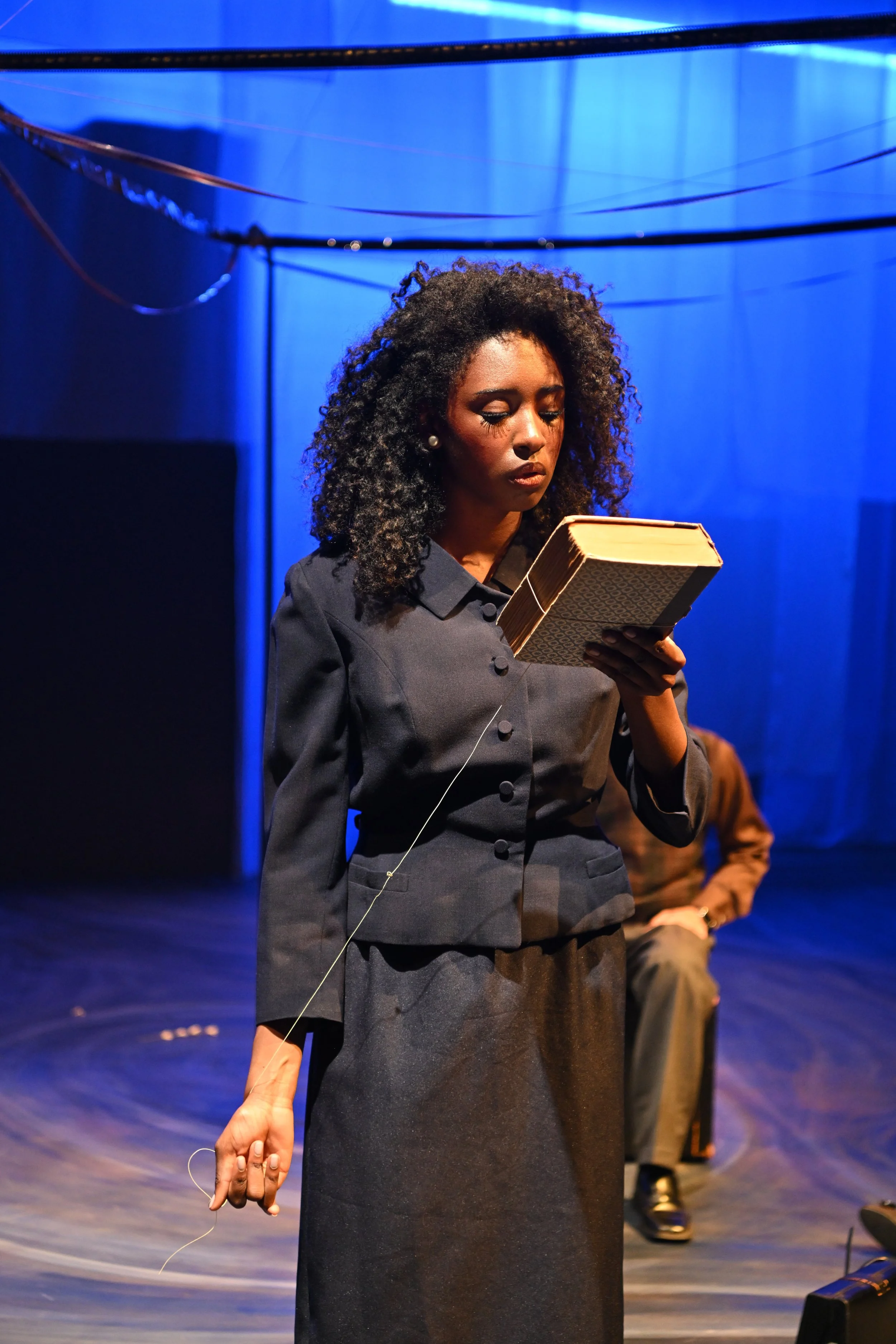
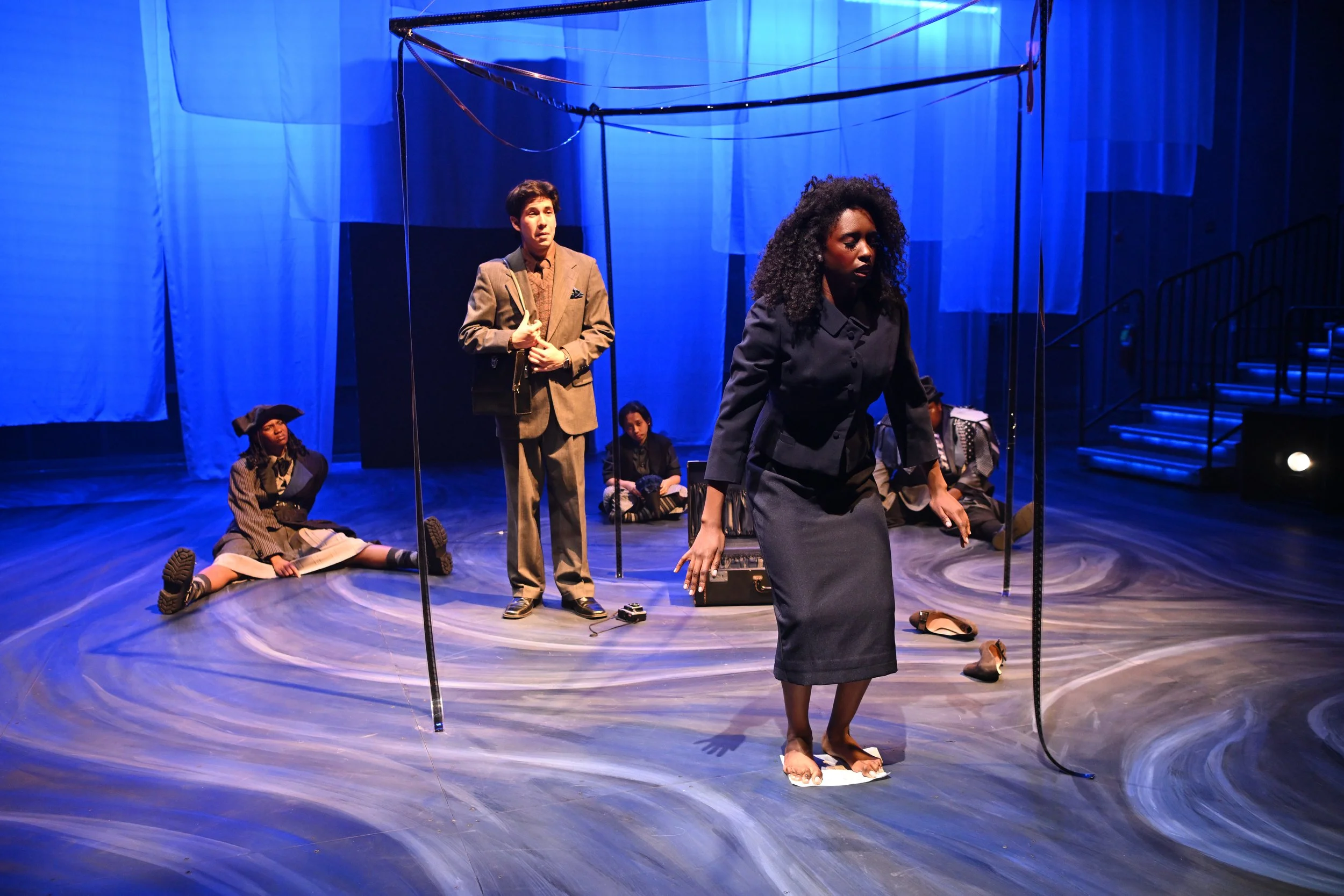
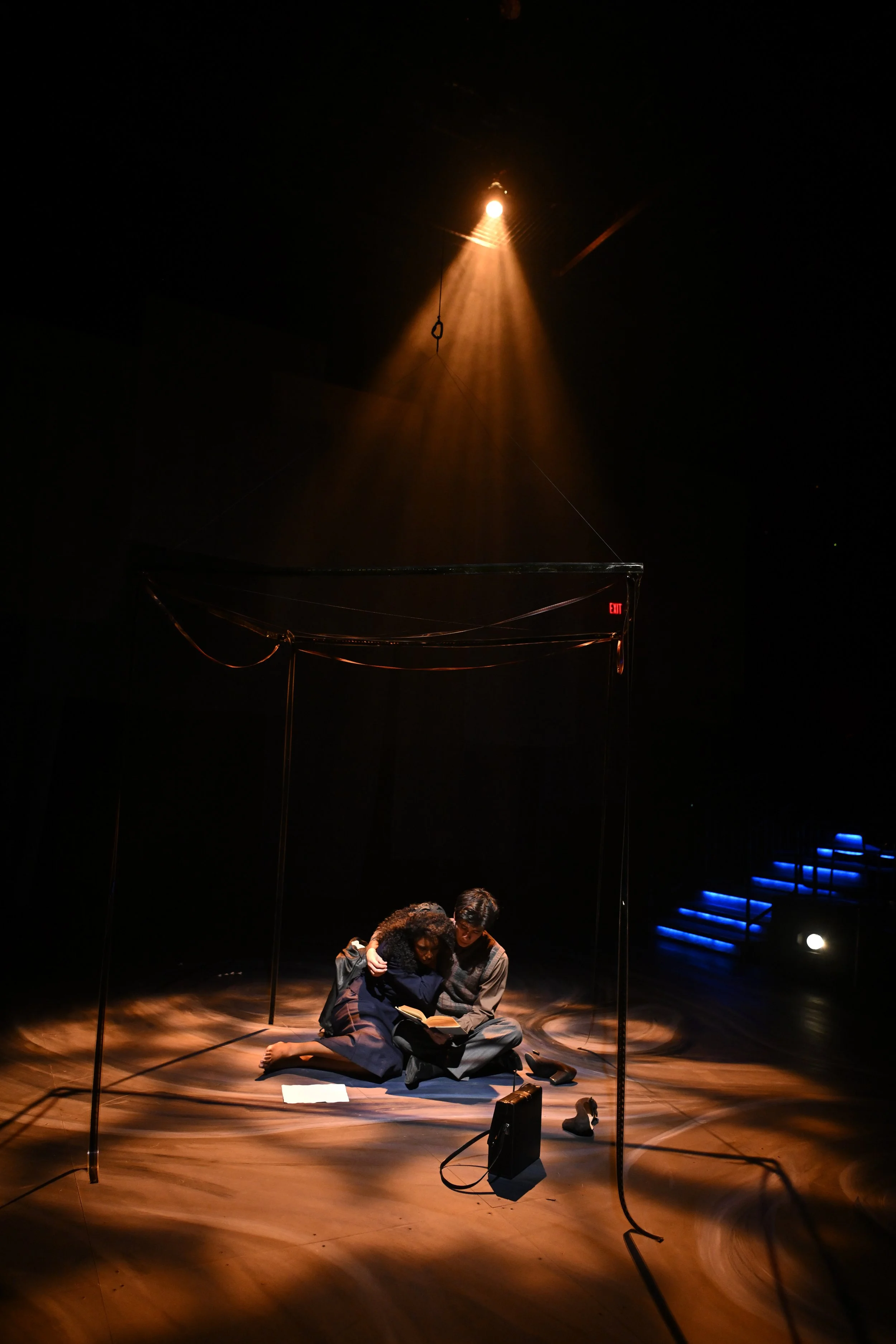
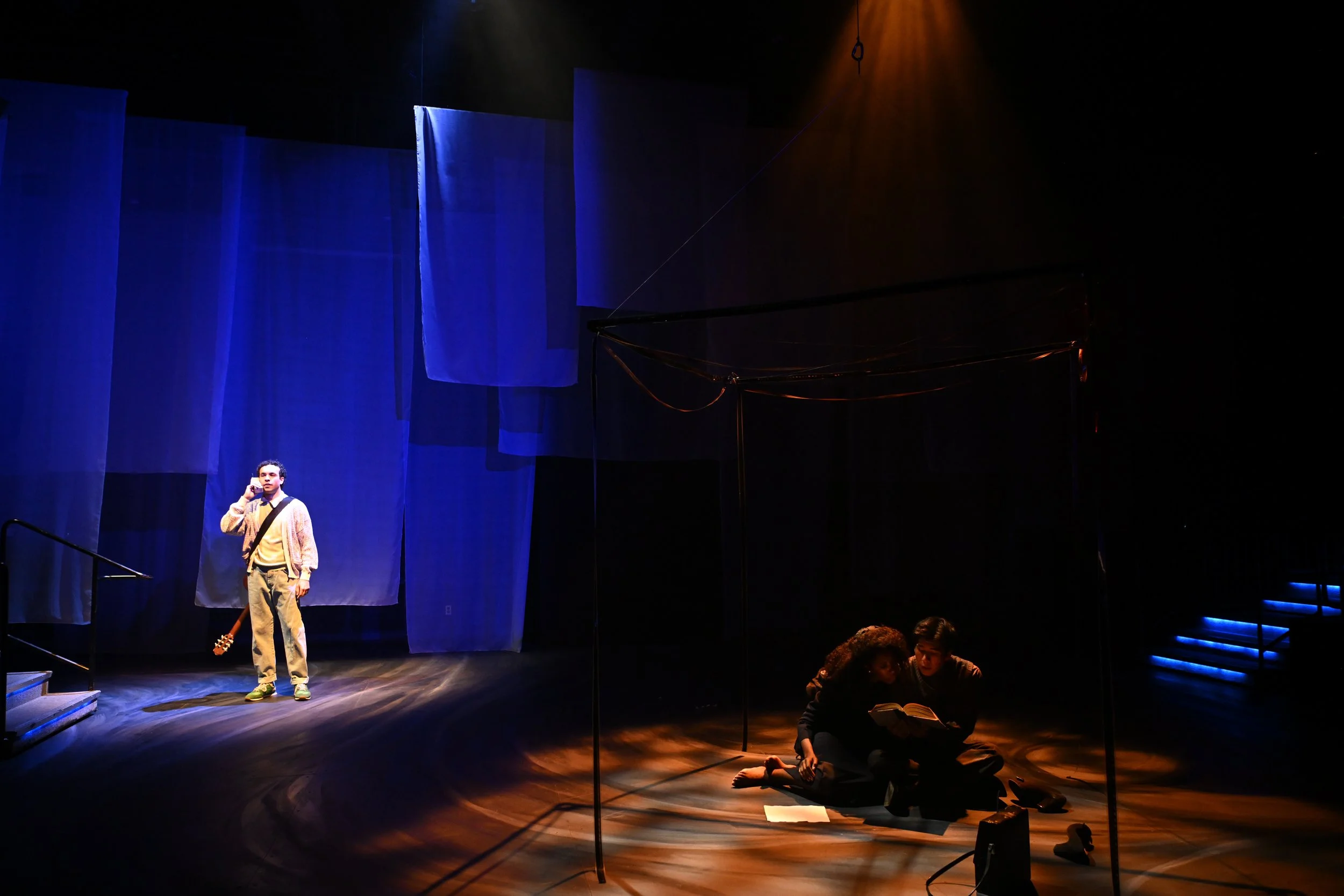
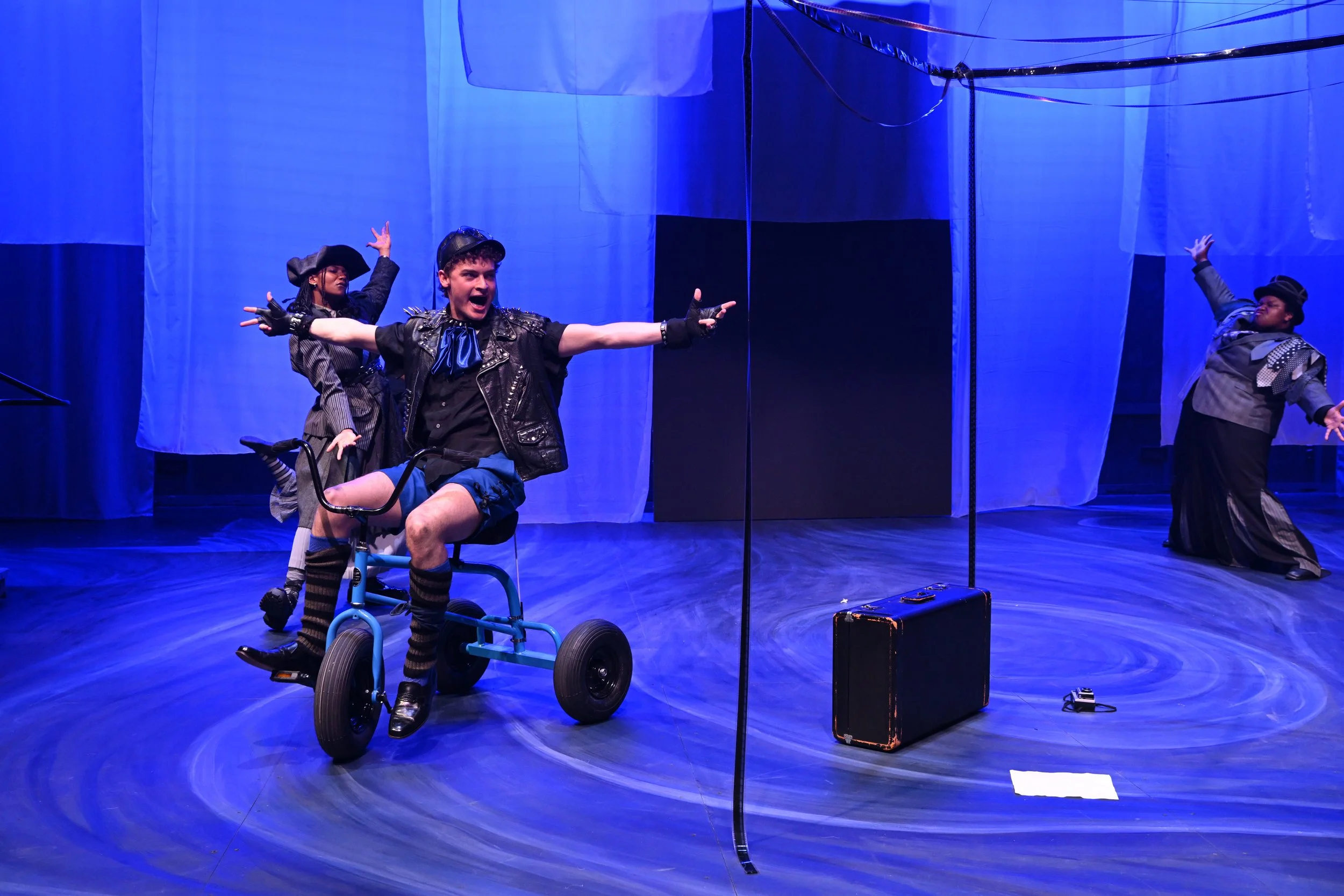
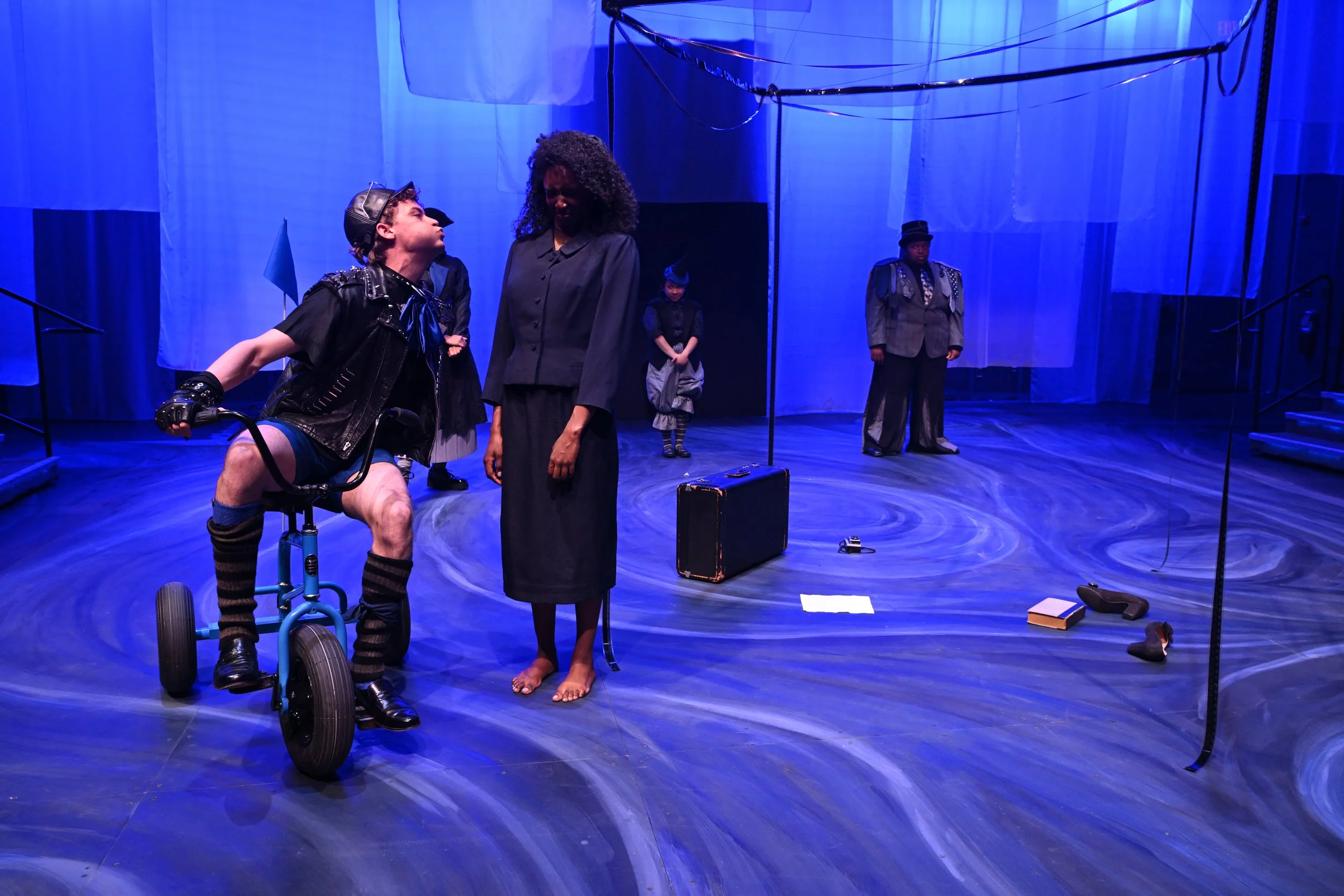
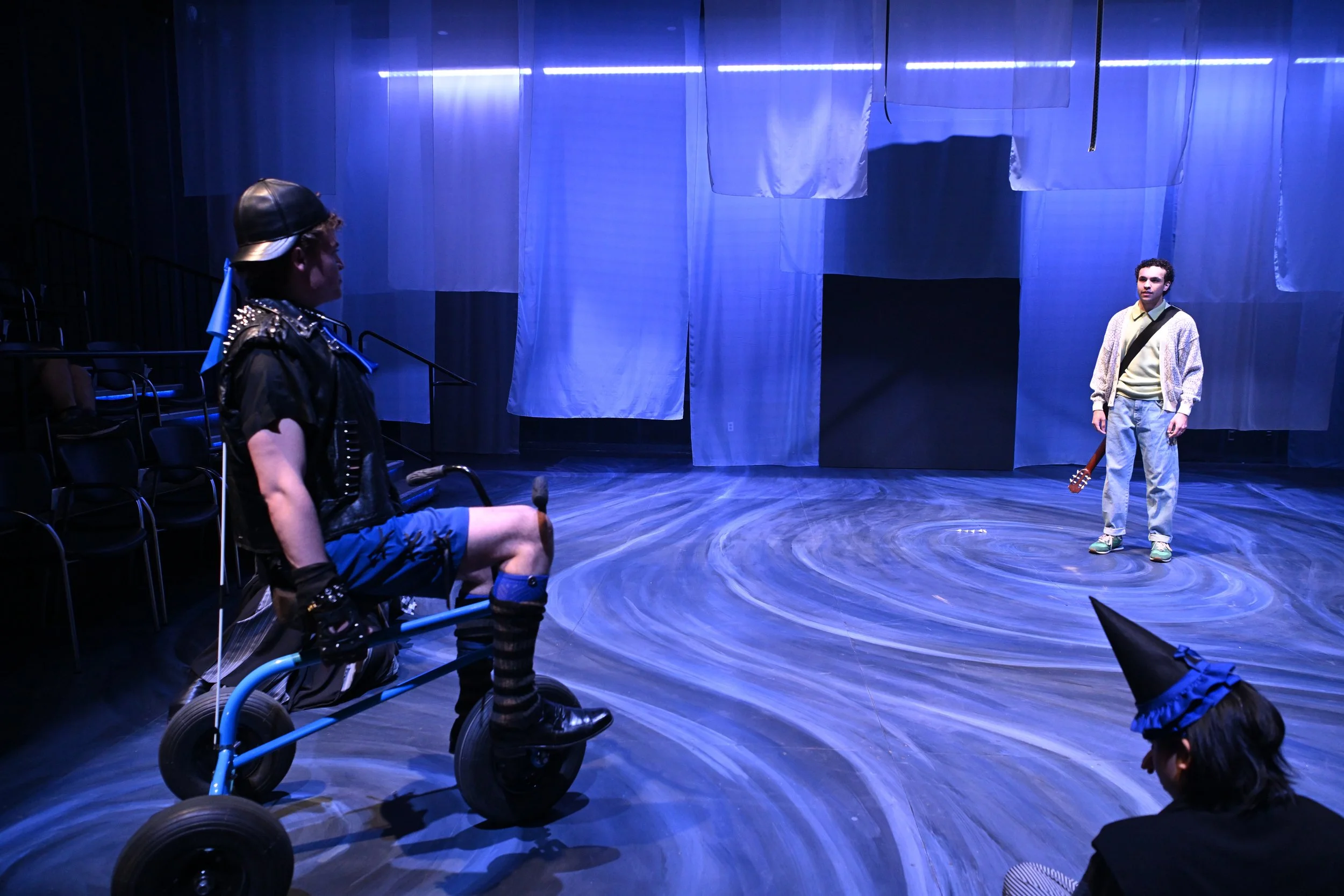
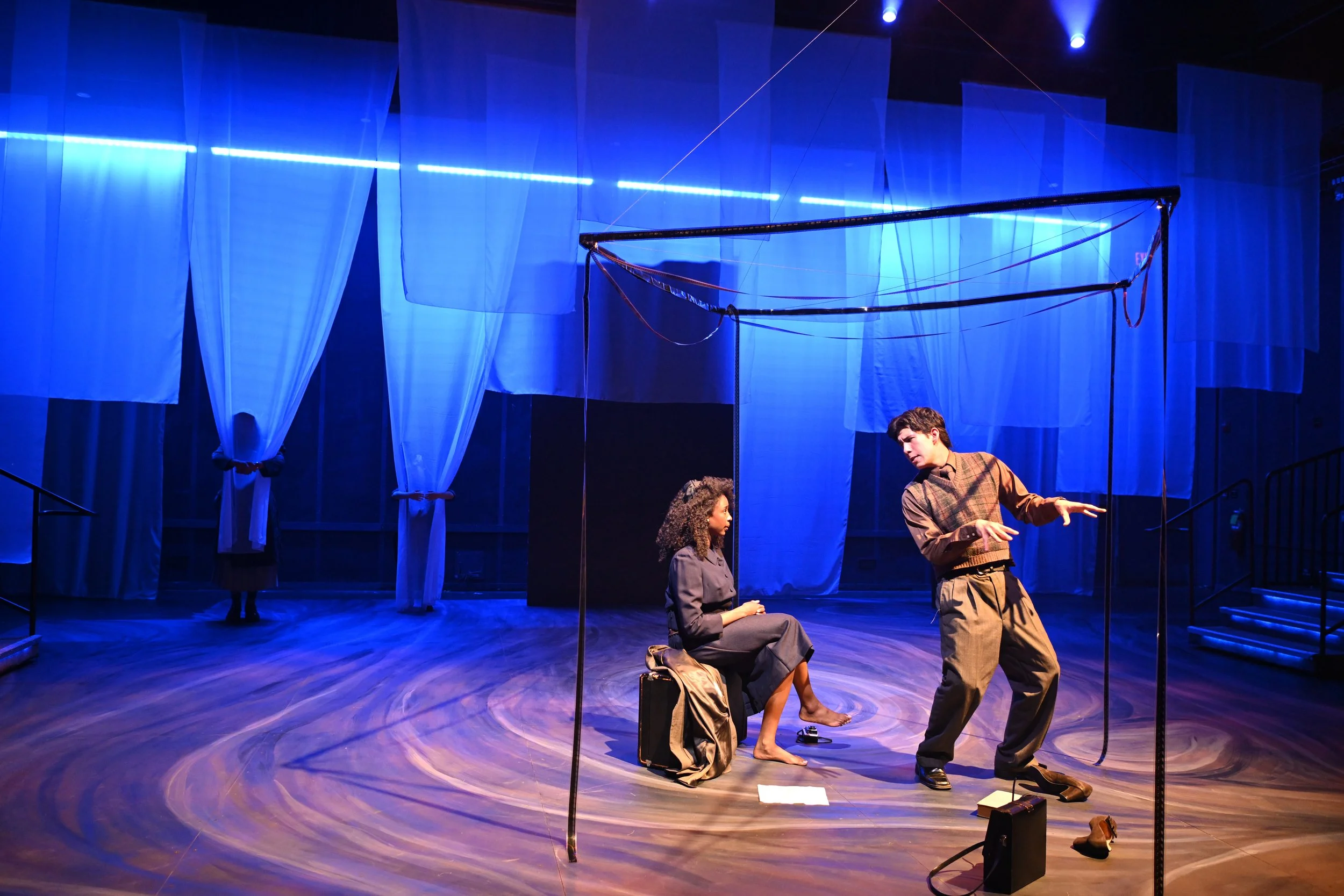
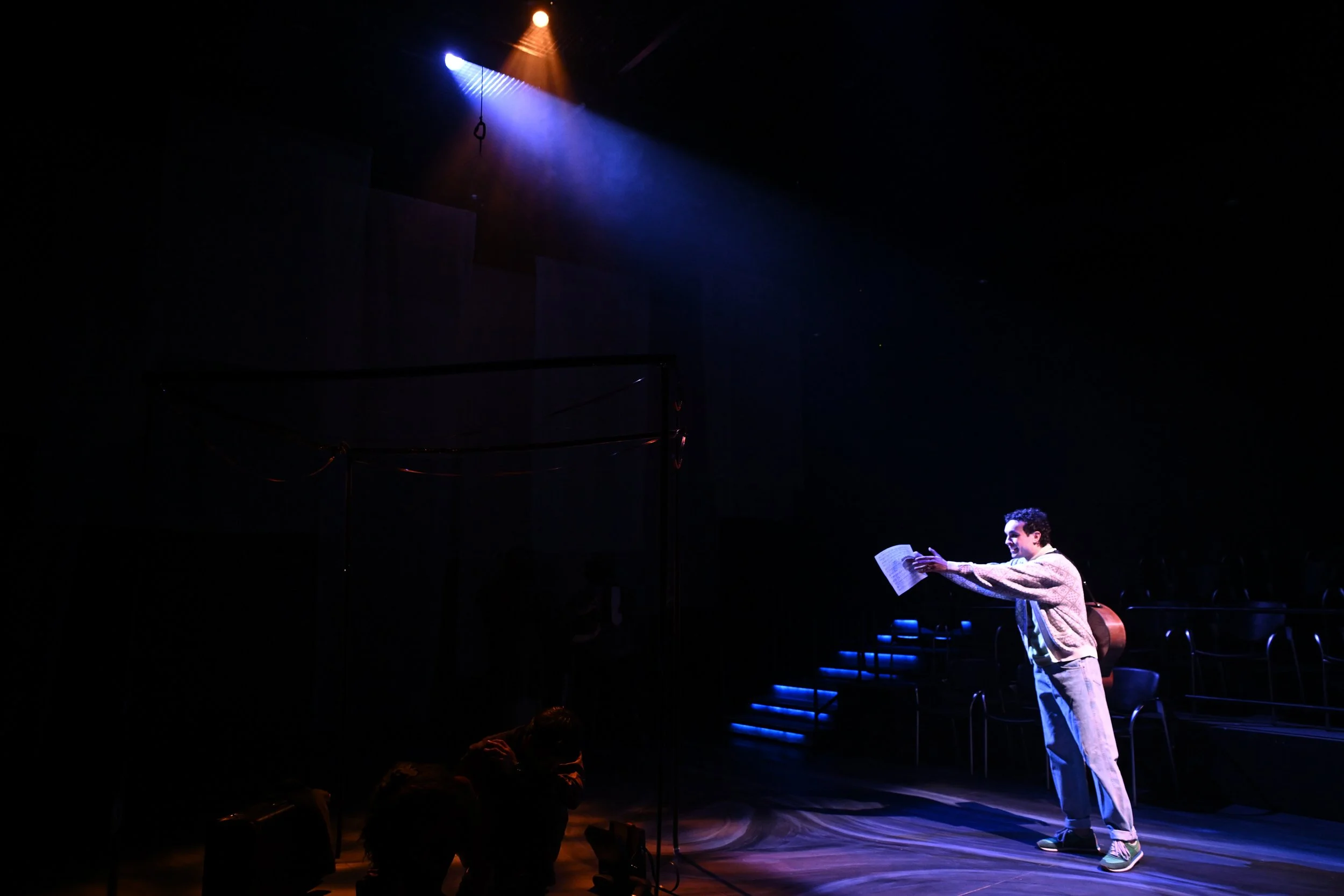
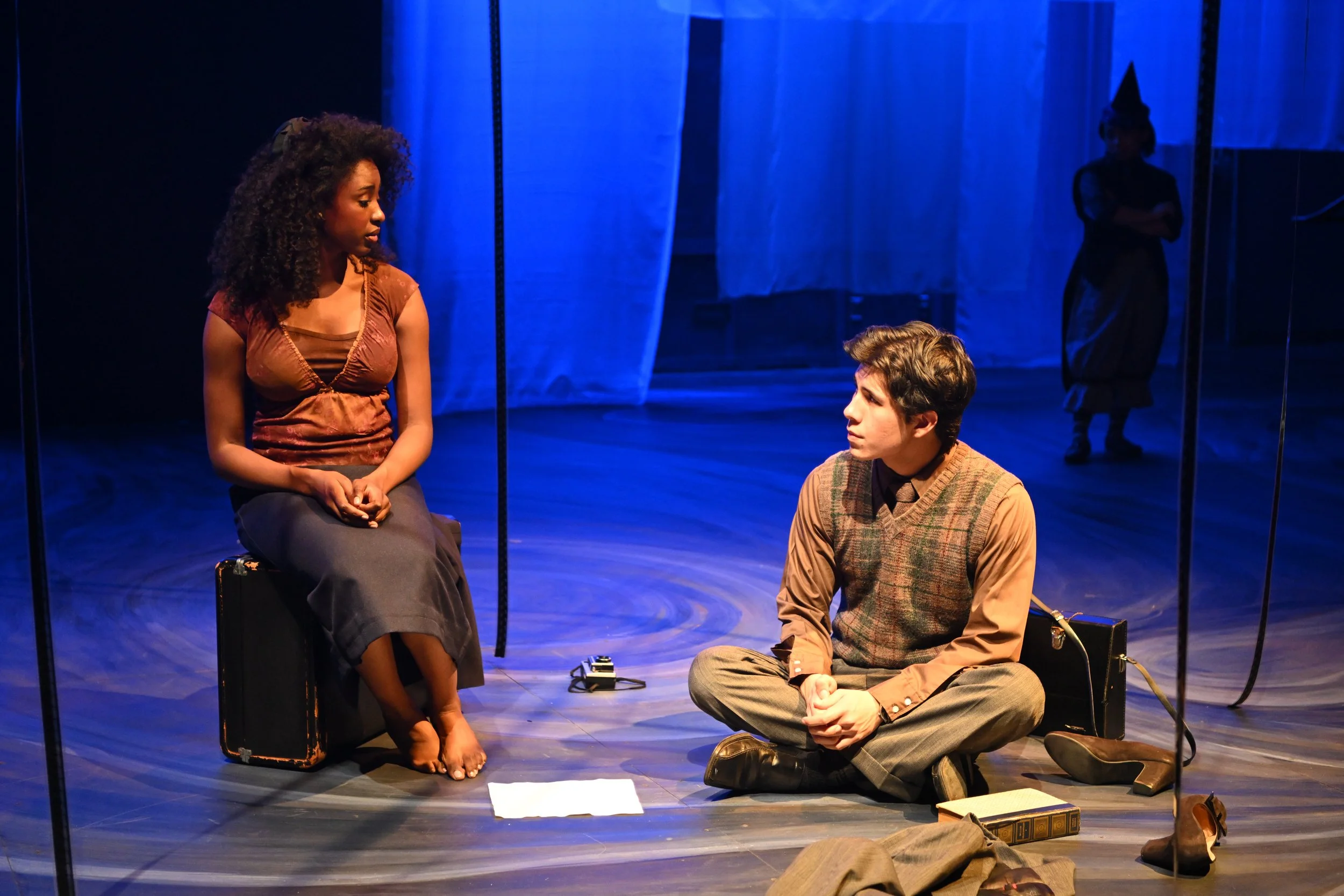
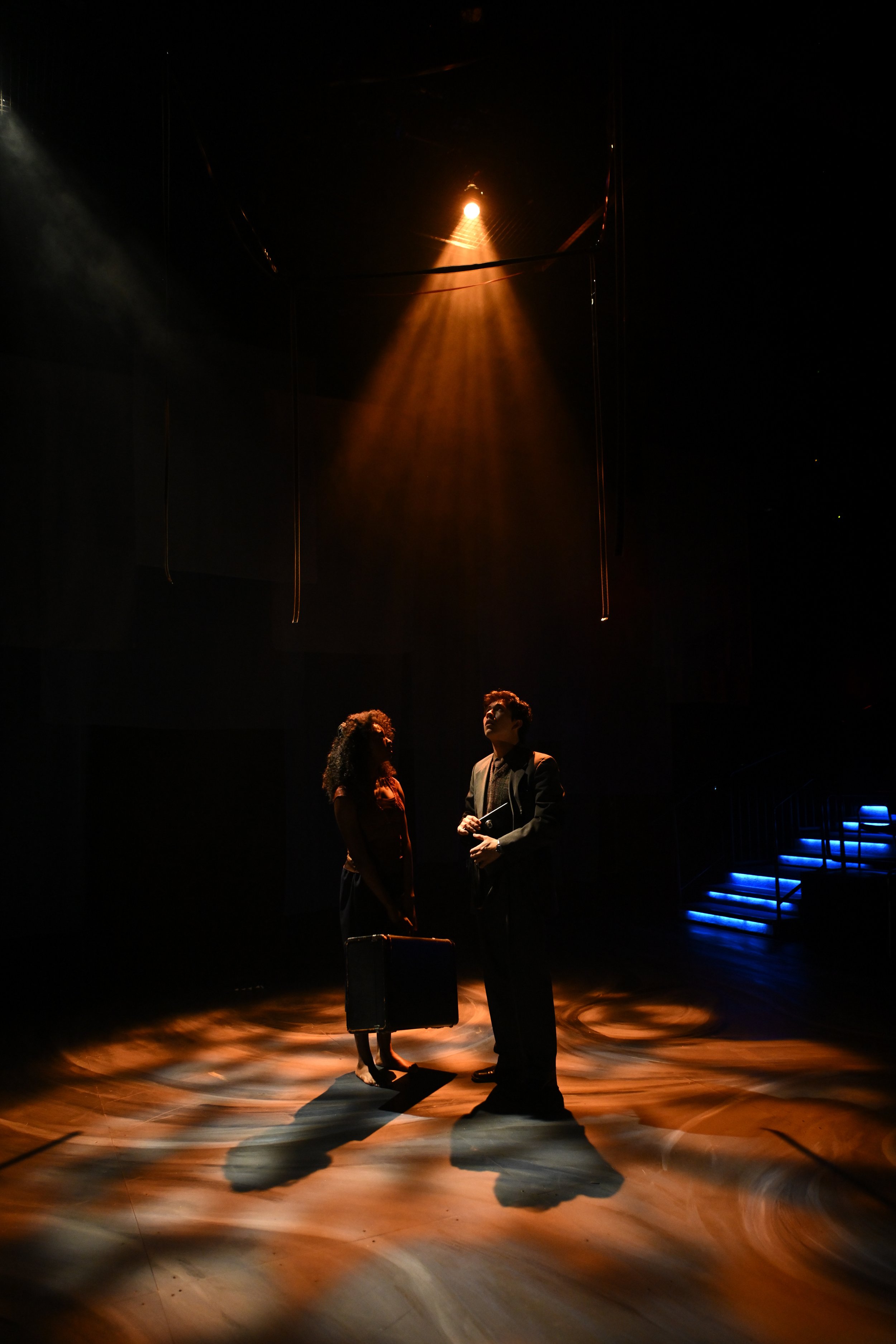
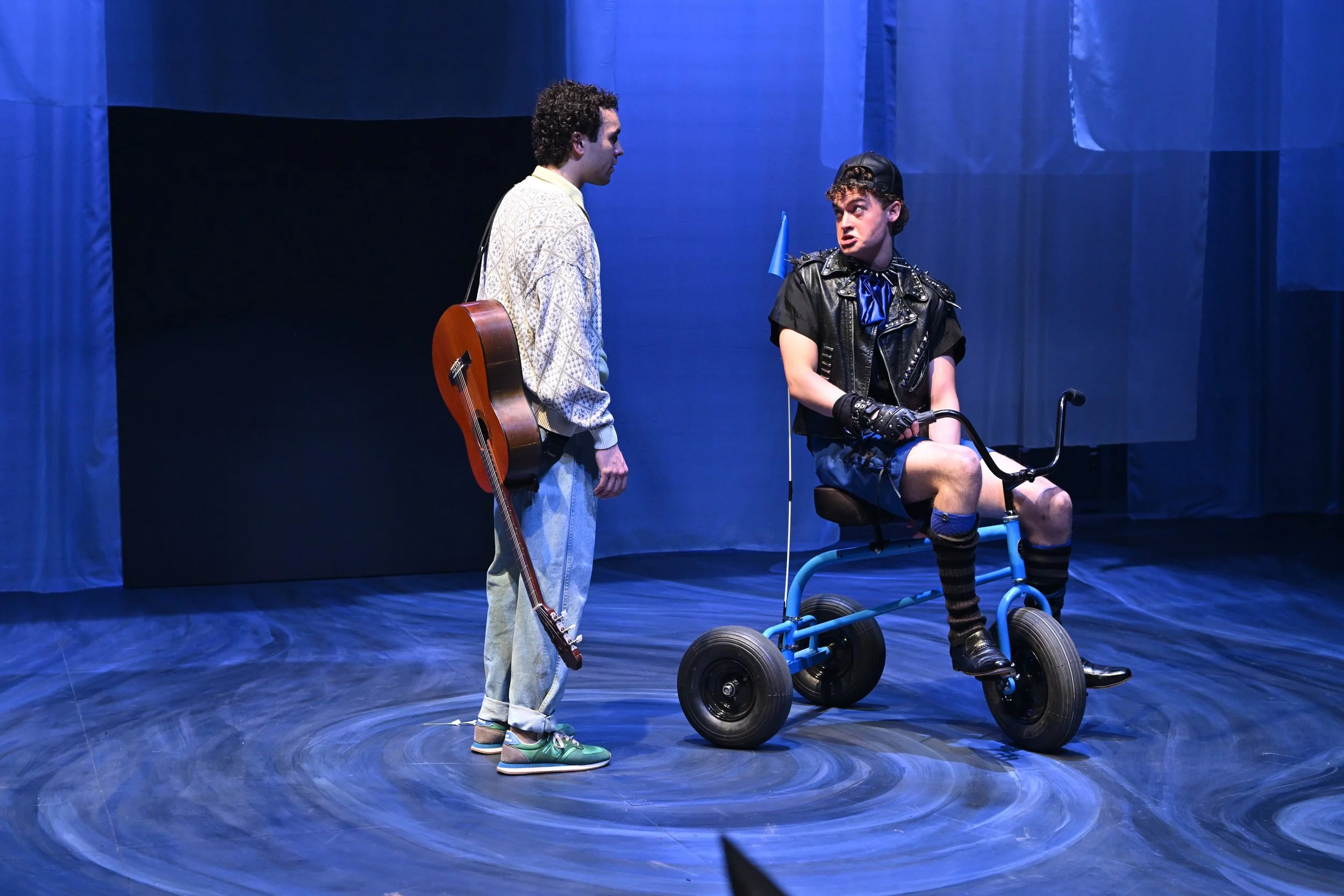
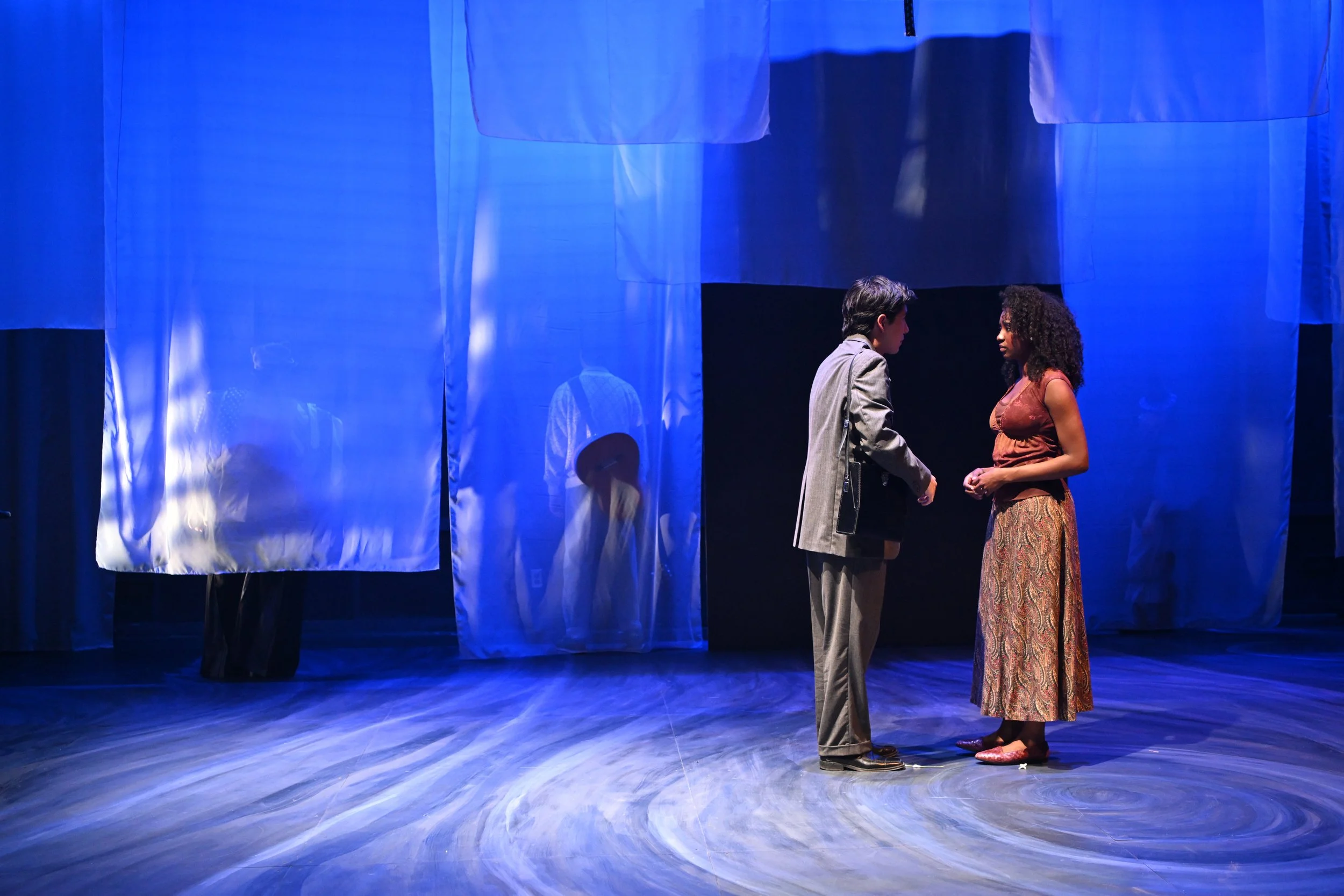
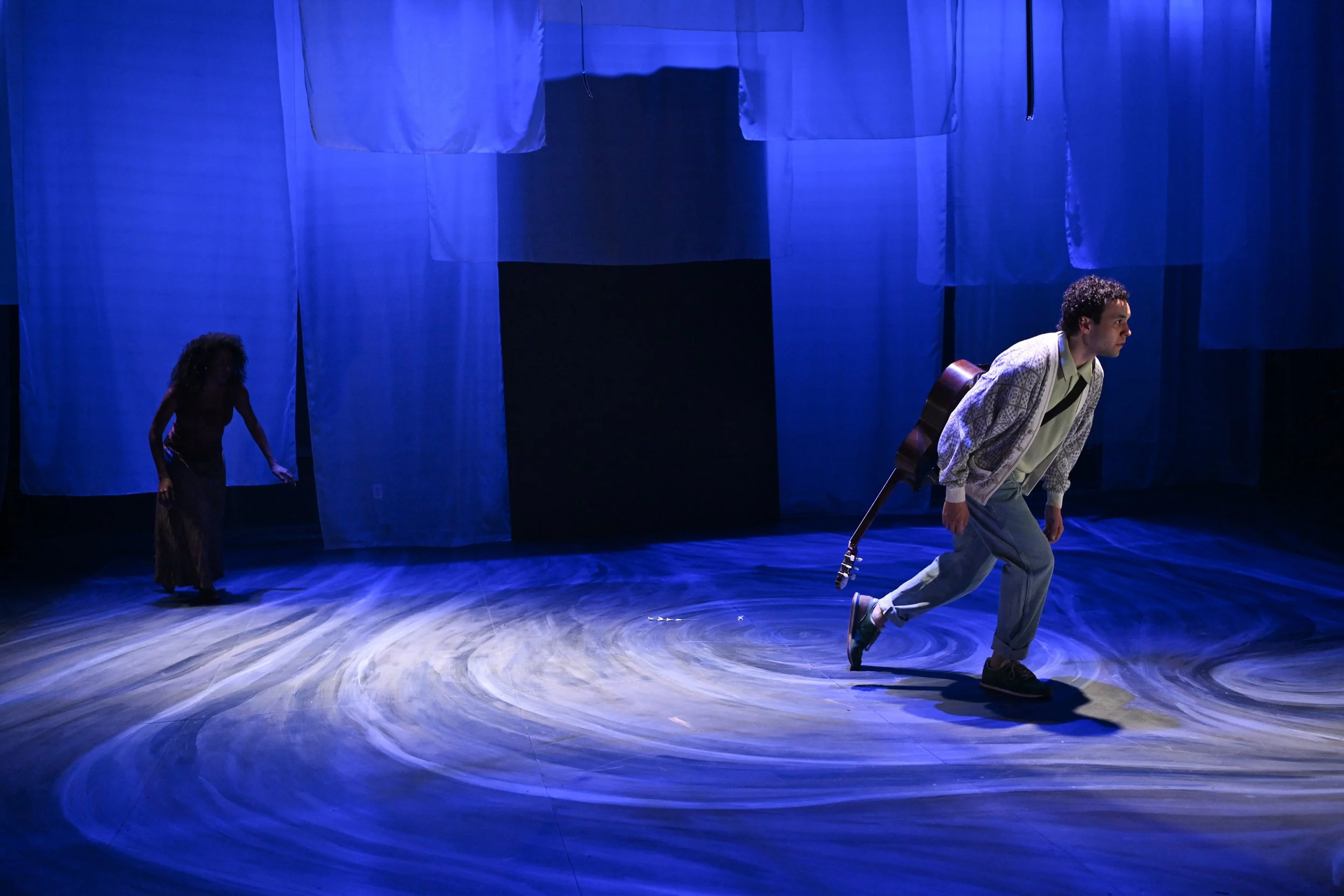
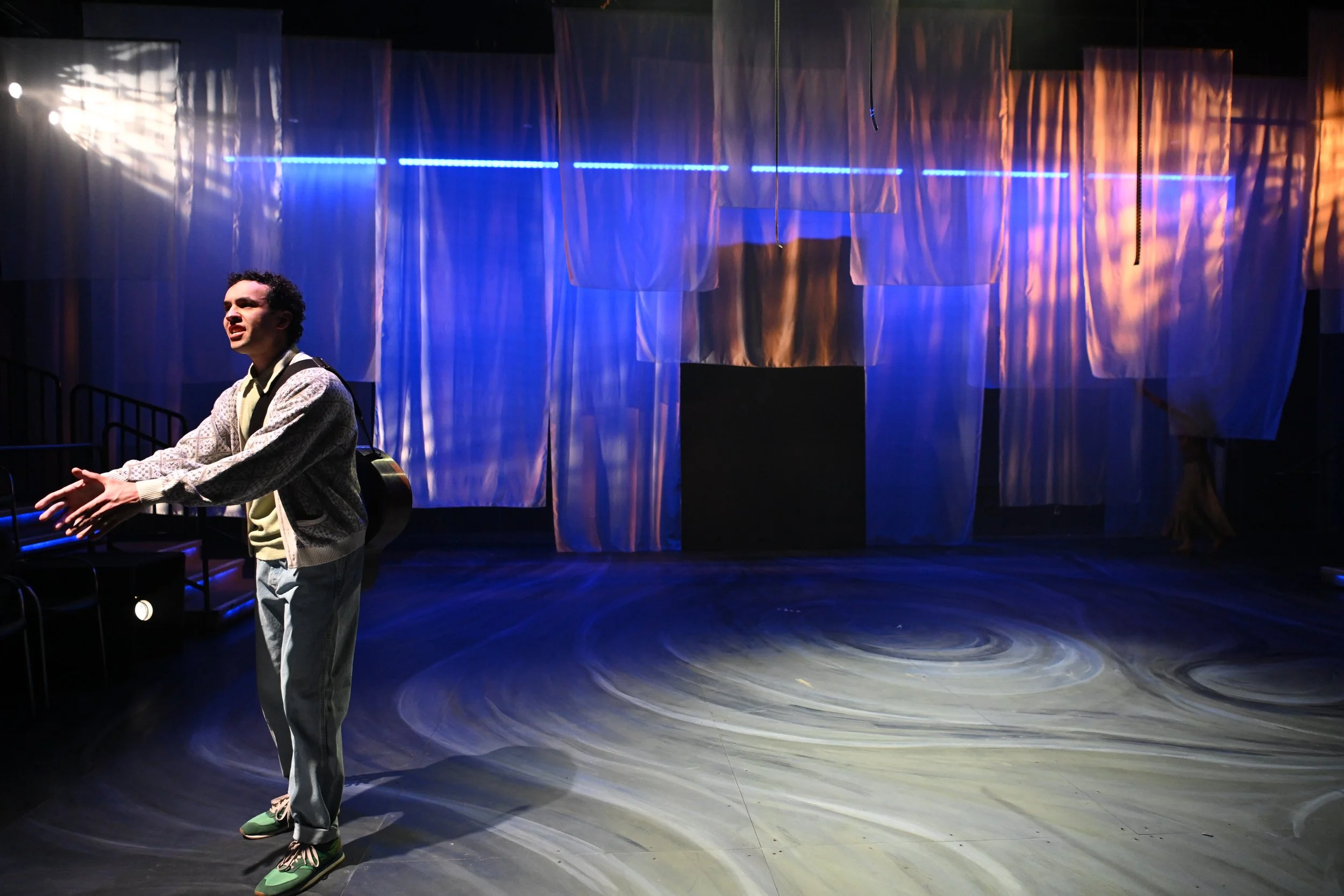
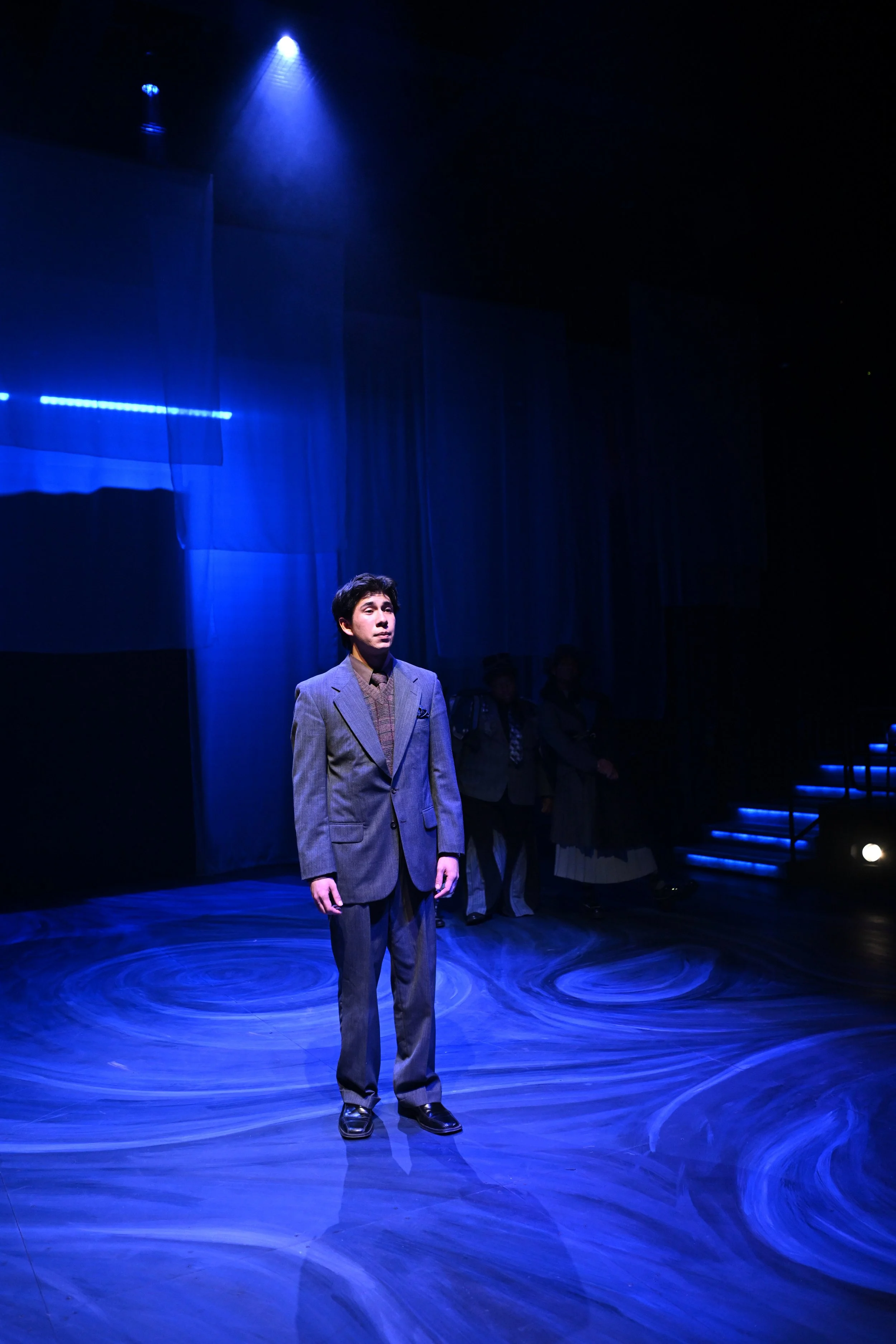
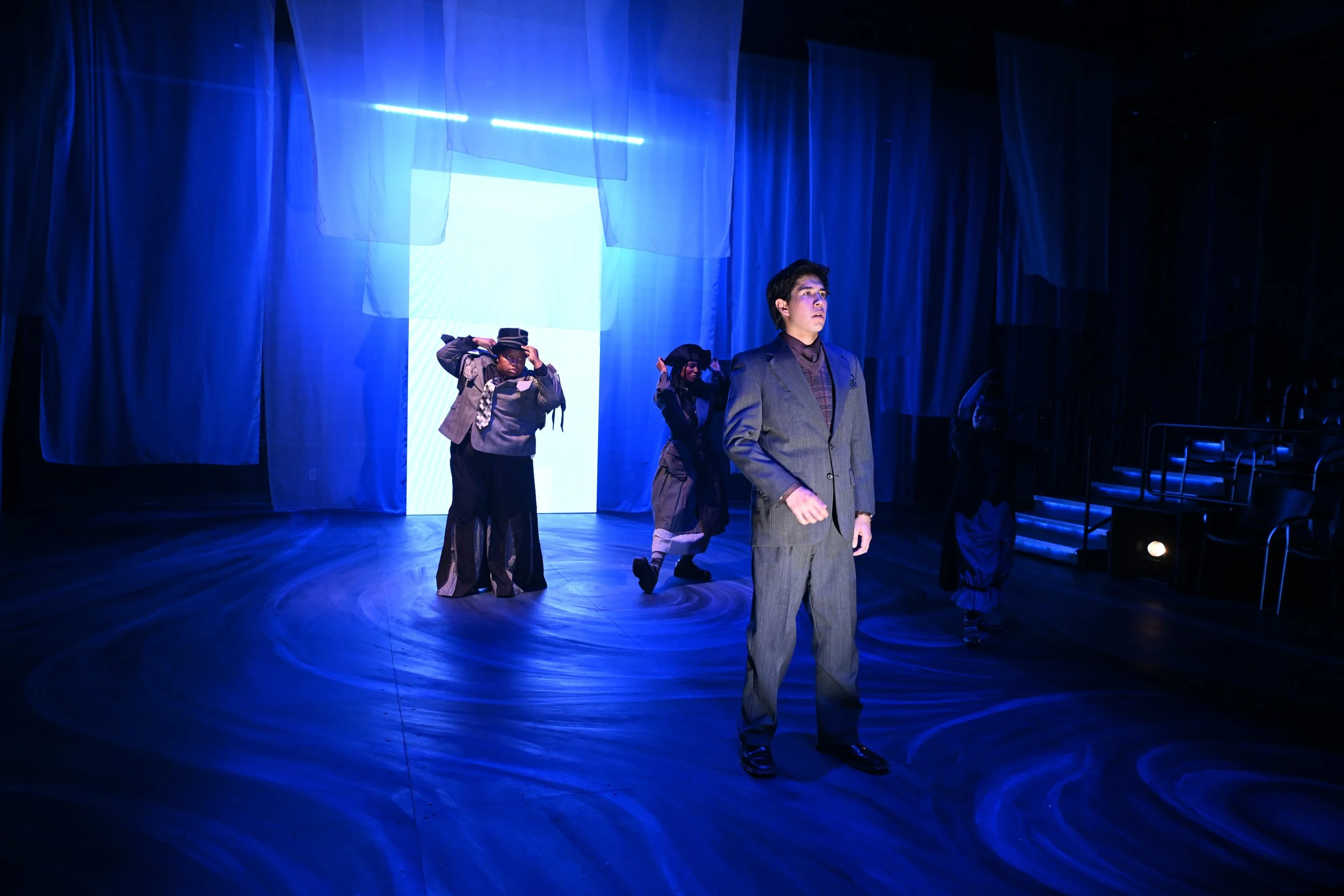
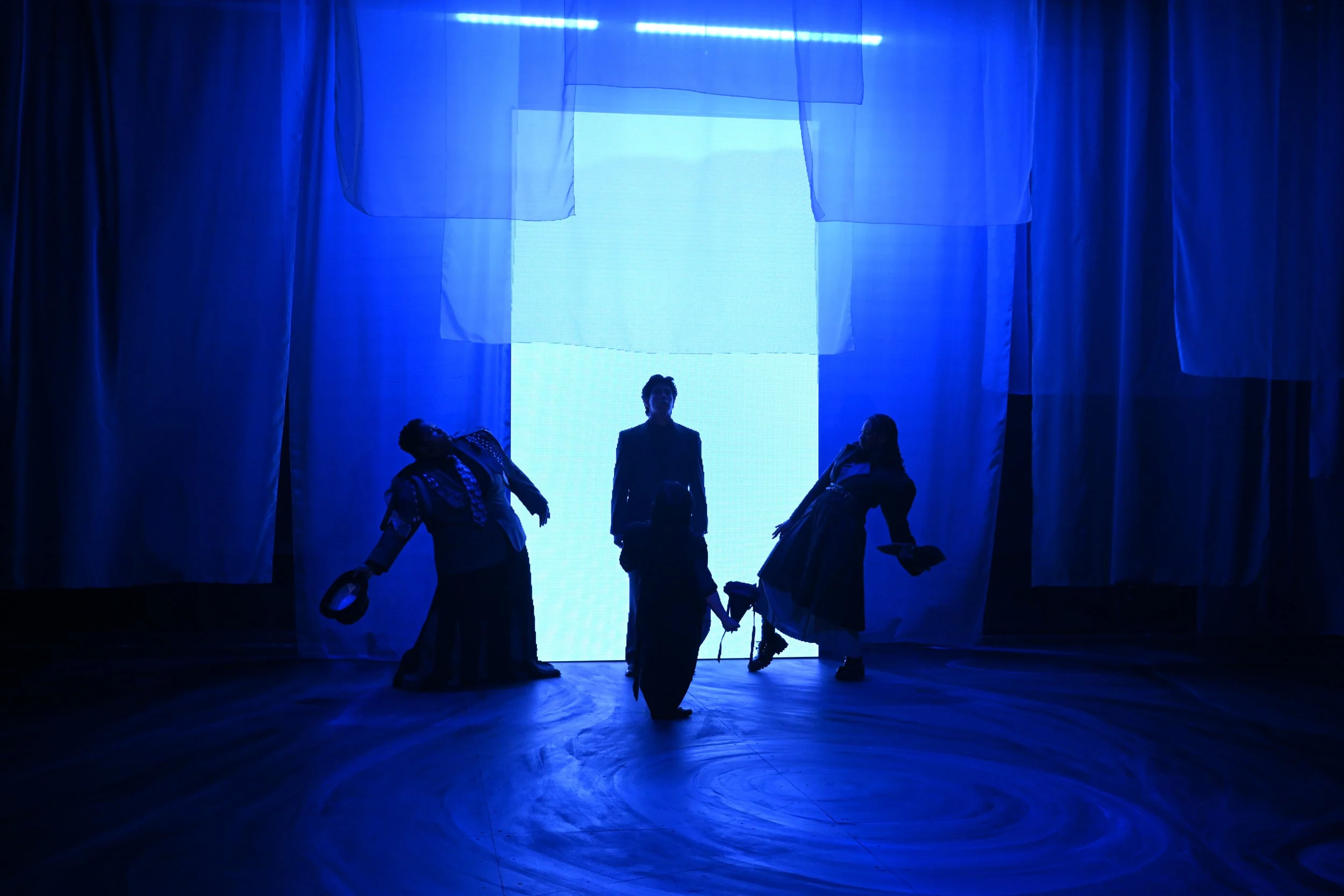
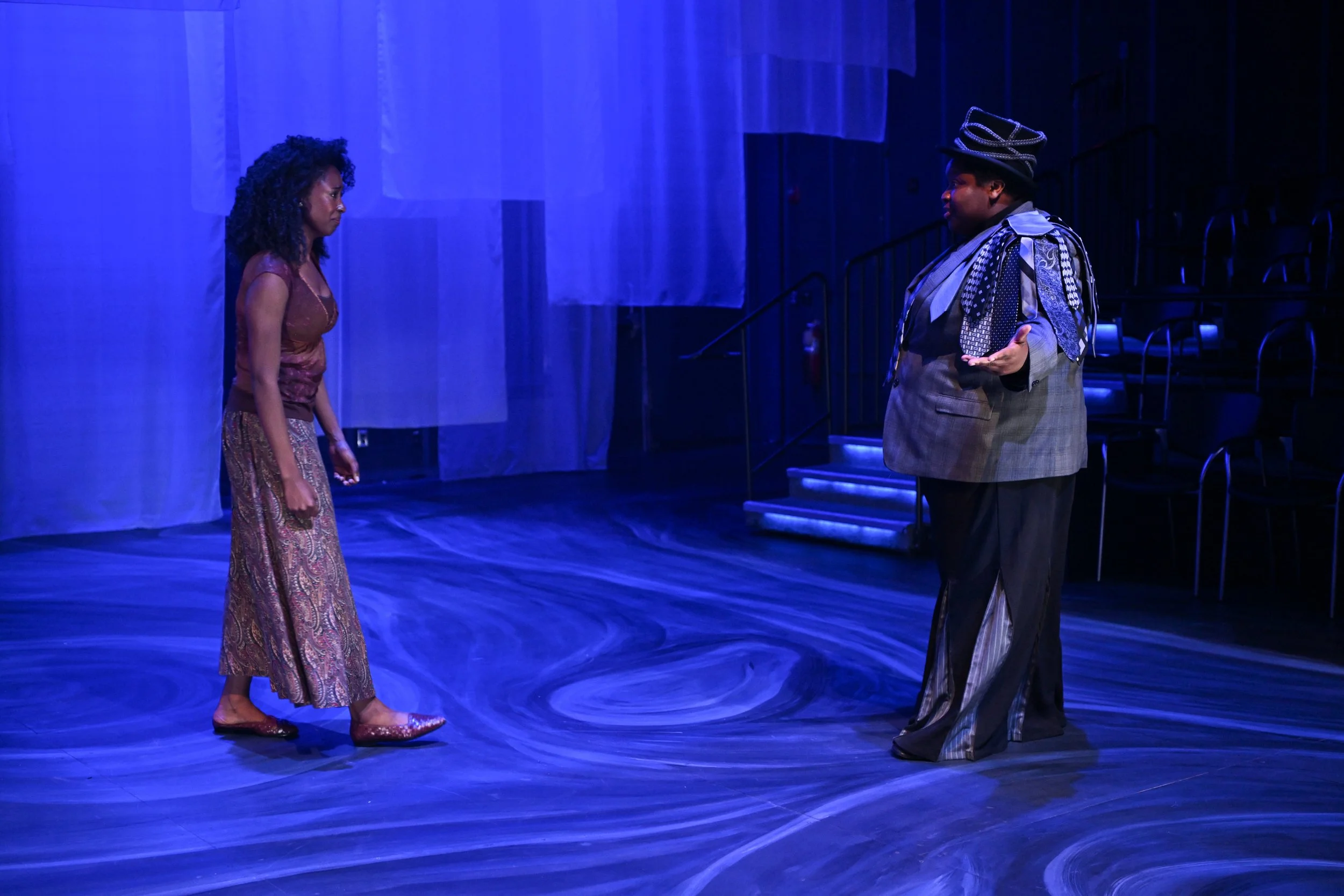
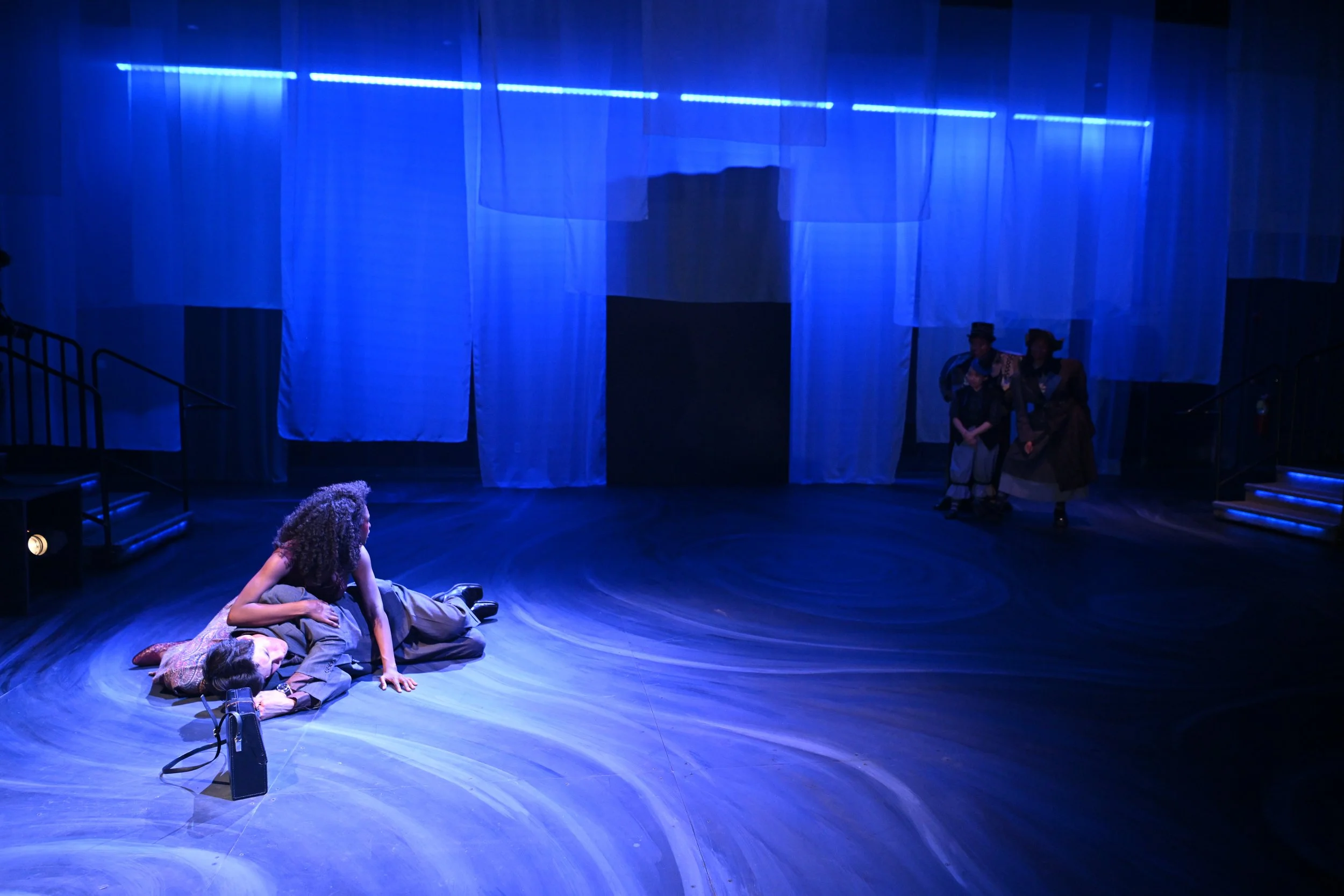
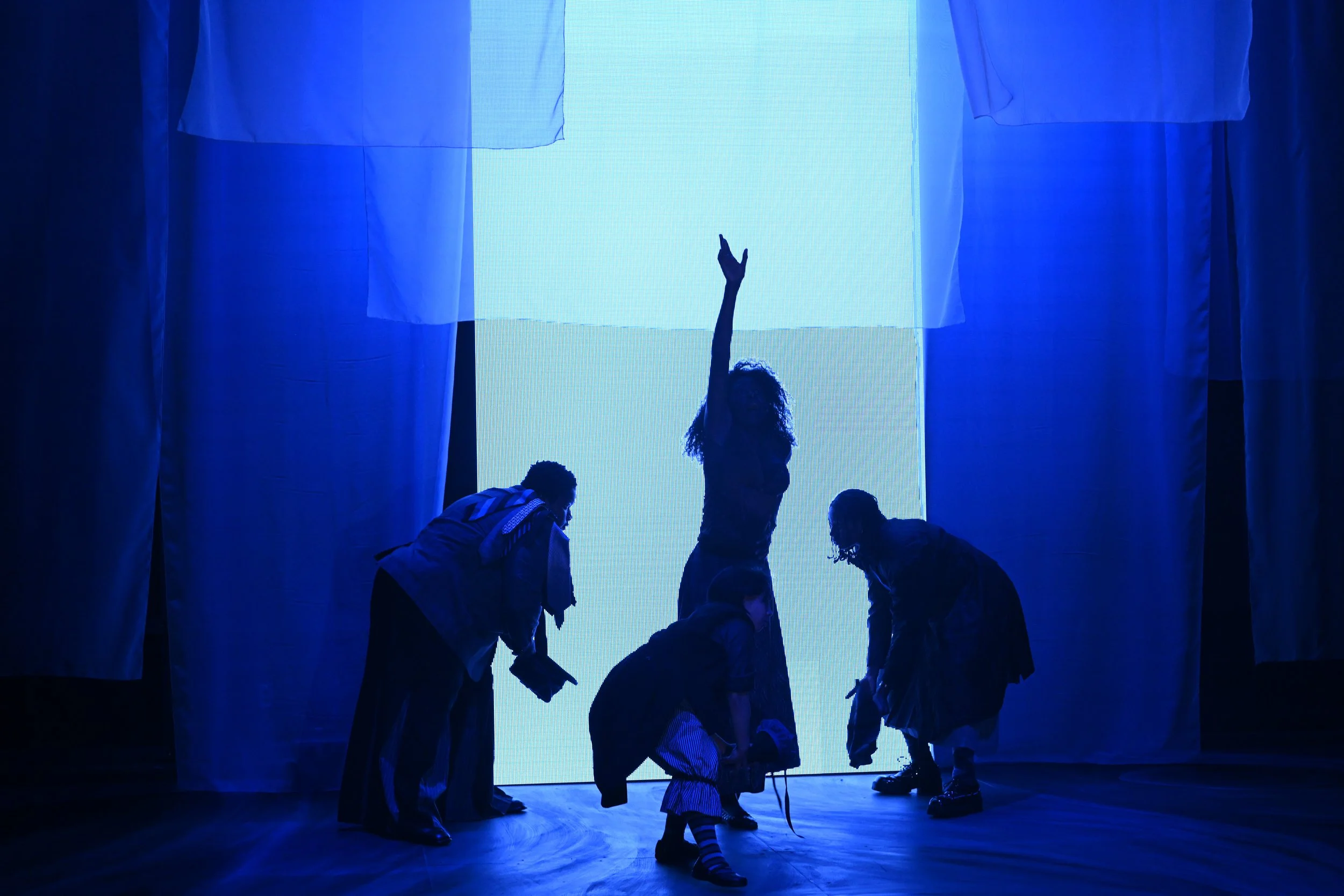
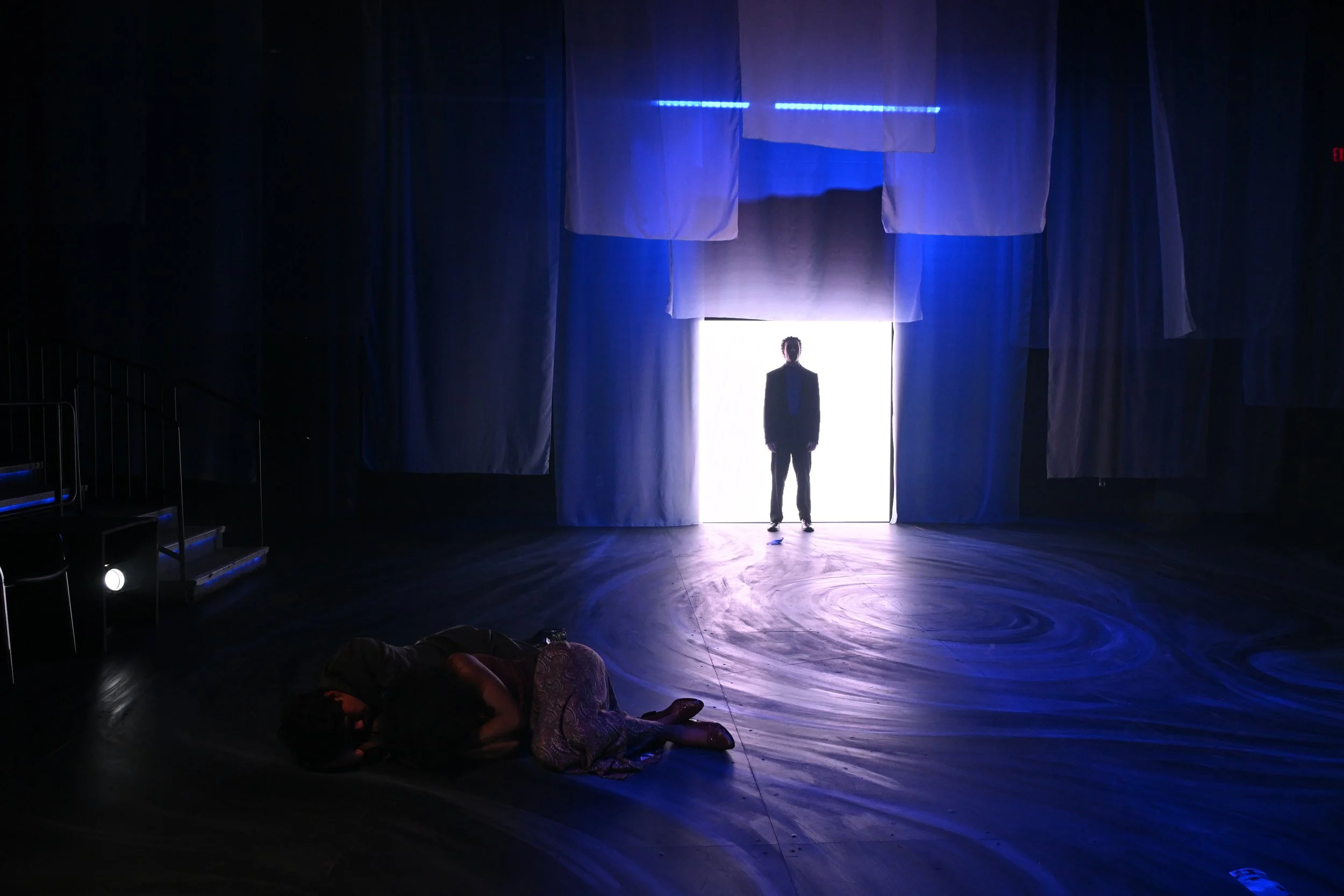
The Overworld feels like a vast, picture-perfect landscape, with a wide range of colors and a focus on softness. One could even argue it feels too perfect—curated to seem flawless, capturing a heightened sense of young romantic love. In contrast, The Underworld feels like the negative of that vast photograph, bringing the world's sharp details into focus, with unseen spaces that invite imagination through sharp lines and shapes, like a film negative.
The team and I have used these thoughts and ideas to create, and we now invite you, the audience, to do the same. I encourage you to reflect on your memories, thinking about how they look and feel. Are there memories that you feel have shaped who you are today?
With Love,
Daniel Sepehr Bamdad
Director